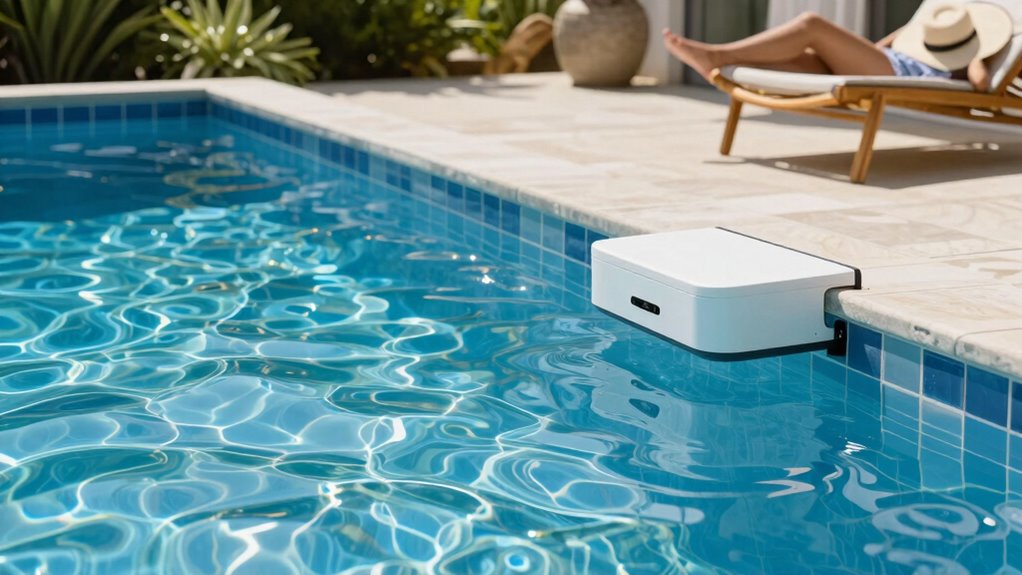

When it comes to maintaining a sparkling, chemically balanced pool, salt systems offer a convenient alternative to traditional chlorine. The best pool salt systems simplify water sanitation, reduce chemical handling, and often include smart features for easy control. The XtremepowerUS 15K Salt Chlorination System stands out as the overall top pick for its reliability and ease of use, while models like the TP30 Salt Chlorine Generator excel with app monitoring and larger capacity. However, buyers face tradeoffs between capacity, automation, and budget—more advanced systems tend to come with a higher price tag. Continue reading for a detailed breakdown of the top options and what to consider before choosing one for your pool.

Get pool and patio gear delivered free with Prime
- Fast, free delivery on millions of items
- Prime Video, Amazon Music and more included
- Member-only deals all year
Complete the kit


Key Takeaways
- Larger capacity salt systems are better for bigger pools, but they often cost more and may include more complex features.
- Smart features such as app control and auto salt level detection add convenience but can increase the purchase price significantly.
- Self-cleaning cells reduce maintenance but are typically found on higher-end models, making them less common in budget options.
- Compatibility with different pool types (above-ground vs. in-ground) varies; select a system designed for your pool size and type.
- Ease of installation and user interface are critical factors that influence long-term satisfaction and maintenance.
| XtremepowerUS 15K Salt Chlorination System for In-Ground Pools Up to 15,000 Gallons |  | Best Overall for Compact, User-Friendly Operation | Pool Capacity: Up to 15,000 gallons | Voltage: 220/115V | Chlorine Output: 20 grams/hour | VIEW ON AMAZON | See Our Full Breakdown |
| E-CHLOR Plug-in Salt Chlorine Generator 32,000 gal Max | APX Performance |  | Best for Energy Efficiency and Smart Monitoring | Max Pool Capacity: 32,000 gallons | Brand: APX Performance | Model Number: APX-ECHLOR-32-0301 | VIEW ON AMAZON | See Our Full Breakdown |
| EverCrystal Salt Water Pool Chlorinator System – Up to 25,000 Gallons |  | Best Monitored System with Clear Housing and Self-Cleaning Cell | Capacity: Up to 25,000 gallons | Housing: Clear | Cell Type: Self-cleaning | VIEW ON AMAZON | See Our Full Breakdown |
| TP30 Salt Chlorine Generator for Pools up to 40,000 Gallons with App Monitoring |  | Best for Large Pools and App-Controlled Operation | Pool Capacity: Up to 40,000 gallons | Cell Type: Auto reverse polarity | Monitoring: App and control panel | VIEW ON AMAZON | See Our Full Breakdown |
| Salt Water Pool Chlorinator System – Up to 40,000 Gallons |  | Best for Simple, Plug-and-Play Operation with Monitoring | Capacity: Up to 40,000 gallons | Housing: Clear | Cell Type: Self-cleaning | VIEW ON AMAZON | See Our Full Breakdown |
| Salt Water Pool Chlorinator System for 30,500 Gallon Above Ground Pool with APP Control and Titanium Cell |  | Best for Large Above Ground Pools with Smart Control | Pool Capacity: 30,500 gallons | Electrode Material: Titanium with ruthenium-iridium coating | Control: APP control with LED display | VIEW ON AMAZON | See Our Full Breakdown |
| Pureline Crystal Pure Salt System PL7700 – Universal Pool Salt Chlorination System with Control Panel and Salt Cell for 40,000 Gallons |  | Best for Gentle, Irritation-Free Water for Large Pools | Max Chlorine Daily Production: 2.1 lbs | Pool Capacity: 40,000 gallons | Temperature Range: 50F to 140F | VIEW ON AMAZON | See Our Full Breakdown |
| Salt Chlorine Generator for Pools up to 26,500 Gallons with App Remote Control and Self-Cleaning |  | Best for Cost-Efficient, Smart Chlorination for Mid-Sized Pools | Pool Capacity: up to 26,500 gallons | Electrodes: Self-cleaning titanium | Control: Wi-Fi remote via app | VIEW ON AMAZON | See Our Full Breakdown |
| Intex Krystal Clear QS1200 Saltwater Swimming Pool Chlorine System |  | Best for Small, Easy Maintenance Pools | Pool Capacity: up to 15,000 gallons | Flow Rate: 700-3,200 gph | Warranty: 2 years | VIEW ON AMAZON | See Our Full Breakdown |
| Smart Salt Chlorine Generator with WiFi App Control, Self-Cleaning Titanium Cell, Auto Salt Level Detection for Pools up to 25,000 Gallons |  | Best for High-Tech, Remote Management of Mid-Sized Pools | Brand: Rinoson | Model Number: RNSPSULTRA-V25 | Number of Items: 1 | VIEW ON AMAZON | See Our Full Breakdown |
| pool salt system | Warranty | Pool Capacity |
|---|---|---|
| XtremepowerUS 15K Salt Chlorin | — | Up to 15,000 gallons |
| E-CHLOR Plug-in Salt Chlorine | 3 years | — |
| EverCrystal Salt Water Pool Ch | 1 year | — |
| TP30 Salt Chlorine Generator f | — | Up to 40,000 gallons |
| Salt Water Pool Chlorinator Sy | 1 year | — |
| Salt Water Pool Chlorinator Sy | 5 years | 30,500 gallons |
| Pureline Crystal Pure Salt Sys | 1 year | 40,000 gallons |
| Salt Chlorine Generator for Po | 3 years | up to 26,500 gallons |
| Intex Krystal Clear QS1200 Sal | 2 years | up to 15,000 gallons |
| Smart Salt Chlorine Generator | 2 years | — |
More Details on Our Top Picks
XtremepowerUS 15K Salt Chlorination System for In-Ground Pools Up to 15,000 Gallons
This system excels for in-ground pools up to 15,000 gallons thanks to its straightforward installation and user-friendly LCD display. It offers automatic cell cleaning and adjustable chlorine output, making maintenance easier than older models or less advanced systems. Compared with the EverCrystal, it provides more automation features but may suffer from durability issues, as some customer reviews suggest. Its safety sensors help prolong equipment life and improve water quality, but it requires electrical setup and is limited in capacity. Overall, this pick makes the most sense for pool owners seeking a reliable, easy-to-use system for smaller in-ground pools, accepting the possibility of some durability concerns.
Pros:- Easy to install and operate with a user-friendly LCD display
- Automatically cleans the cell and adjusts chlorine output
- Built-in safety sensors extend equipment life
Cons:- Limited to pools up to 15,000 gallons, not suitable for larger pools
- Some units may experience durability issues over time
Best for: Homeowners with in-ground pools up to 15,000 gallons looking for simple, automatic chlorine management
Not ideal for: Larger pool owners or those seeking a more durable, heavy-duty system for frequent use
- Pool Capacity:Up to 15,000 gallons
- Voltage:220/115V
- Chlorine Output:20 grams/hour
- Included Components:Manual, Plumbing Fittings Set, Power Supply, Salt Cell
- Model Number:90151
Our verdict“This system is ideal for small to medium-sized in-ground pool owners prioritizing ease of use over heavy-duty durability.”
E-CHLOR Plug-in Salt Chlorine Generator 32,000 gal Max | APX Performance
The E-CHLOR stands out for its compact, DIY-friendly setup and smart sensor alerts, making it an excellent choice for pool owners who want automation and energy savings. Its compatibility with variable-speed pumps and winter operation sets it apart from more basic models like the XtremepowerUS. However, the initial cost is higher, and performance can vary depending on water chemistry, which may frustrate owners expecting consistent results. The 3-year warranty offers peace of mind, but electrical setup complexity can be a hurdle for less tech-savvy users. This pick makes the most sense for owners of pools up to 32,000 gallons who value automation and smart features over budget constraints.
Pros:- Automatically generates chlorine, reducing manual handling
- Compact design fits easily in tight spaces
- Smart sensors deliver precise, actionable alerts
Cons:- Higher initial investment compared to basic chlorinators
- Performance can fluctuate with water chemistry
- Requires electrical setup and some technical knowledge
Best for: Tech-savvy pool owners seeking a compact, automated system with advanced monitoring
Not ideal for: Owners with limited electrical or technical experience, or for pools larger than 32,000 gallons
- Max Pool Capacity:32,000 gallons
- Brand:APX Performance
- Model Number:APX-ECHLOR-32-0301
- Warranty:3 years
- Sensors:Salt level, temperature, cell health
Our verdict“This system is well-suited for owners wanting smart, automated chlorine generation for pools up to 32,000 gallons, willing to invest in setup complexity.”
EverCrystal Salt Water Pool Chlorinator System – Up to 25,000 Gallons
The EverCrystal system is designed for pools up to 25,000 gallons and offers excellent visibility into its operation with a clear housing and real-time digital display. Its self-cleaning cell reduces maintenance needs, making it a convenient choice for pool owners who prefer less hands-on upkeep. Compared to the XtremepowerUS, it provides more detailed monitoring and durable construction, but its capacity limit restricts larger pools. Installation can be straightforward for those with some technical knowledge, though some may find the price less competitive without additional features. It’s ideal for owners who want a reliable, monitored system for mid-sized pools, prioritizing transparency and ease of maintenance.
Pros:- Clear housing allows easy monitoring of chlorine and system status
- Self-cleaning cell reduces buildup and maintenance
- Durable metal control box extends lifespan
Cons:- Limited to pools up to 25,000 gallons, not suitable for bigger pools
- Installation may require some technical expertise
- Price point may be higher than simpler models
Best for: Pool owners who want detailed system monitoring and low-maintenance operation for pools up to 25,000 gallons
Not ideal for: Larger pools exceeding 25,000 gallons or owners seeking a more budget-friendly option
- Capacity:Up to 25,000 gallons
- Housing:Clear
- Cell Type:Self-cleaning
- Display:Digital real-time
- Warranty:1 year
Our verdict“This system is perfect for pool owners wanting transparent operation and low-maintenance features in medium-sized pools.”
TP30 Salt Chlorine Generator for Pools up to 40,000 Gallons with App Monitoring
The TP30 is tailored for larger residential pools up to 40,000 gallons, offering app and panel monitoring for convenience. Its auto-reverse polarity cell helps reduce scale buildup, a feature not always available in simpler models like the XtremepowerUS. While its compatibility with standard plumbing makes installation straightforward, some users report setup challenges, especially with app connectivity. Its capacity and automation features make it a strong choice for owners who want hands-free chlorine management in sizable pools, but the system’s complexity may be overkill for smaller pools or less tech-inclined users.
Pros:- App and panel monitoring provide real-time system status
- Auto reverse polarity reduces scale buildup
- Designed for large pools with standard plumbing compatibility
Cons:- Limited to pools up to 40,000 gallons, not suitable for bigger pools
- Setup and app connectivity can be challenging
- Higher price point for advanced features
Best for: Owners of large pools up to 40,000 gallons wanting app-controlled, automated chlorine generation
Not ideal for: Owners with small pools or those seeking a simple, plug-and-play solution without app features
- Pool Capacity:Up to 40,000 gallons
- Cell Type:Auto reverse polarity
- Monitoring:App and control panel
- Certification:ETL Listed
- Includes:Power adapter
Our verdict“This system is best suited for large pool owners seeking modern app control and automation, accepting setup complexity.”
Salt Water Pool Chlorinator System – Up to 40,000 Gallons
The Salt Water Pool Chlorinator System for pools up to 40,000 gallons emphasizes ease of use with its plug-and-play design and durable metal control box. Its clear housing and digital display enable quick monitoring of salinity, voltage, and temperature, similar to the EverCrystal. The self-cleaning cell reduces manual maintenance, making it a practical choice for owners who prefer straightforward installation and operation. Compared with more feature-rich models like the TP30, it may lack app control and advanced alerts, but its simplicity appeals to users who want reliable performance without complexity. It’s an attractive option for larger pools needing a dependable, easy-to-maintain system.
Pros:- Easy to monitor chlorine production with clear housing and digital display
- Self-cleaning cell reduces manual maintenance
- Durable metal control box ensures long-lasting performance
Cons:- Limited to pools up to 40,000 gallons, unsuitable for bigger pools
- Requires electrical connection and some technical setup
- Price not specified, but may be higher than basic models
Best for: Pool owners seeking an easy-to-install, reliable chlorinator for large pools up to 40,000 gallons
Not ideal for: Owners who desire app control or more advanced monitoring features
- Capacity:Up to 40,000 gallons
- Housing:Clear
- Cell Type:Self-cleaning
- Display:Digital real-time
- Warranty:1 year
Our verdict“This system is well-suited for large pool owners who prefer a straightforward, reliable chlorinator with minimal fuss, without advanced app features.”
Salt Water Pool Chlorinator System for 30,500 Gallon Above Ground Pool with APP Control and Titanium Cell
This professional-grade chlorinator stands out for its app control and durable titanium electrodes, making it a strong choice for above ground pools up to 30,500 gallons. Compared to the Intex QS1200, it offers more sophisticated remote management and a higher capacity, but it requires some plumbing adjustments during setup. Its self-cleaning technology minimizes maintenance, which is a plus over manual cleaning systems. However, its design limits it to above ground pools, and the replacement cell after 3-5 seasons adds ongoing cost. This pick makes the most sense for owners of large above ground pools seeking convenience and longevity, but not for those with smaller or inground pools where compatibility is limited.
Pros:- Easy to control and monitor via smartphone app
- Durable titanium electrode ensures long-lasting performance
- Self-cleaning technology reduces maintenance efforts
- Adjustable chlorine output for precise water chemistry
Cons:- Designed specifically for above ground pools, not suitable for inground pools
- Initial setup may require plumbing adjustments
- Replacement cell needed after 3-5 seasons
Best for: Pool owners with large above ground pools who prioritize smartphone control and long-term durability
Not ideal for: Inground pool owners or those who prefer plug-and-play systems without plumbing adjustments
- Pool Capacity:30,500 gallons
- Electrode Material:Titanium with ruthenium-iridium coating
- Control:APP control with LED display
- Self-Cleaning:Automatic polarity reversal every 4-12 hours
- Chlorine Output:5% to 100% adjustable in 5% increments
- Warranty:5 years
Our verdict“This system is ideal for large above ground pools where smart control and durability are priorities, despite some installation complexity.”
Pureline Crystal Pure Salt System PL7700 – Universal Pool Salt Chlorination System with Control Panel and Salt Cell for 40,000 Gallons
This system excels at providing gentle, salt-based sanitation for pools up to 40,000 gallons, with an easy-to-use digital control panel that allows for precise chlorine adjustments. Unlike the more basic Intex QS1200, it offers a larger capacity and self-cleaning features, but its one-year warranty and installation complexity can be drawbacks for casual users. Its electrolysis process produces softer water that minimizes skin and eye irritation, making it a better option for sensitive swimmers. However, some users may find that the setup process isn’t as straightforward as plug-and-play models, and the limited warranty may raise concerns about longevity. Overall, this pick makes the most sense for pool owners seeking a balance of capacity and comfort, but less so for those looking for quick, effortless installation.
Pros:- Gentle salt sanitation reduces skin and eye irritation
- Easy-to-use digital control panel with adjustable chlorine output
- Self-cleaning and energy-efficient design
- Suitable for large pools up to 40,000 gallons
Cons:- Installation and setup may be complex for some users
- Limited to pools up to 40,000 gallons
- One-year warranty may be less reassuring for long-term use
Best for: Owners of large pools up to 40,000 gallons seeking gentle water and adjustable chlorine levels
Not ideal for: Casual users who prefer simple, plug-and-play systems or have smaller pools
- Max Chlorine Daily Production:2.1 lbs
- Pool Capacity:40,000 gallons
- Temperature Range:50F to 140F
- Warranty:1 year
Our verdict“Ideal for large pool owners who value gentle water and precise control, despite a somewhat complex installation process.”
Salt Chlorine Generator for Pools up to 26,500 Gallons with App Remote Control and Self-Cleaning
This system offers a compelling mix of efficiency and convenience for pools up to 26,500 gallons, with Wi-Fi remote control and self-cleaning titanium electrodes. Compared to the Intex QS1200, it produces chlorine more efficiently, reducing costs by roughly 50%, but requires verification of pipe compatibility before installation. Its easy DIY setup appeals to those comfortable with minor plumbing work, though the higher capacity might be unnecessary for smaller pools, leading to potential over-investment. Its auto-shutdown and child lock features add safety, but the limited warranty and potential setup challenges mean it’s better suited for tech-savvy pool owners seeking a balance of price and advanced features.
Pros:- Reduces chlorine costs by approximately 50%
- Remote control and monitoring via app
- Self-cleaning titanium electrodes extend device lifespan
- Auto-shutdown and safety features
Cons:- Requires verification of pipe compatibility before purchase
- Initial setup may be complex for some users
- Higher capacity might be unnecessary for smaller pools
Best for: Mid-sized pool owners who want smart control and cost savings from efficient chlorine production
Not ideal for: Owners of small pools or those uncomfortable with technical installation steps
- Pool Capacity:up to 26,500 gallons
- Electrodes:Self-cleaning titanium
- Control:Wi-Fi remote via app
- Chlorine Output:1.1 lb/day
- Protection Features:Child lock, surge protection
- Warranty:3 years
Our verdict“This generator is well-suited for tech-savvy owners of mid-sized pools aiming to lower costs with smart features, despite some installation effort.”
Intex Krystal Clear QS1200 Saltwater Swimming Pool Chlorine System
The Intex QS1200 is a straightforward, budget-friendly choice for pools up to 15,000 gallons, offering automatic saltwater chlorination that reduces chemical use. It’s especially appealing compared to larger, more complex systems because of its simplicity and automatic operation. However, its reliance on compatible filter pumps with specific flow rates (700-3,200 gph) limits flexibility, and installation can be tricky for some, especially if plumbing isn’t ready-made. While it’s a good entry-level option, it might not satisfy owners with larger or more demanding pools who need higher capacity or more advanced features. This system makes the most sense for owners of small, above ground pools who prioritize ease of use over extensive customization.
Pros:- Reduces chemical use and maintains clear water
- Automatic operation with self-cleaning modes
- Simple to operate for beginners
- Affordable entry-level system
Cons:- Requires compatible filter pump with flow rate 700-3,200 gph
- Installation may be complex if plumbing isn’t prepped
- Limited capacity for larger pools
Best for: Owners of small above ground pools up to 15,000 gallons seeking simple, automatic chlorination
Not ideal for: Larger pool owners or those wanting extensive control options
- Pool Capacity:up to 15,000 gallons
- Flow Rate:700-3,200 gph
- Warranty:2 years
- Included Components:Saltwater chlorination system
Our verdict“Best suited for small, above ground pools where ease and affordability are priorities, despite some installation limitations.”
Smart Salt Chlorine Generator with WiFi App Control, Self-Cleaning Titanium Cell, Auto Salt Level Detection for Pools up to 25,000 Gallons
This system is designed for pool owners who want remote management and automatic salt level detection, making it convenient for outdoor use. Its self-cleaning titanium cell prolongs lifespan, yet the setup can be complex and may require technical knowledge. The limited warranty and limited detailed specifications for pools beyond 25,000 gallons make it less appealing for users with larger pools or those seeking proven reliability. This pick makes the most sense for tech-savvy owners with medium-sized pools who prioritize remote control but should be cautious about its mixed reviews.
Pros:- Remote control and monitoring via WiFi app
- Self-cleaning titanium cell extends lifespan
- Durable outdoor design resistant to weather
- Automatic salt level detection
Cons:- Setup may be complex for some users
- Limited information on compatibility with pools larger than 25,000 gallons
Best for: Pool owners who want remote control and automatic monitoring for pools up to 25,000 gallons
Not ideal for: Users seeking proven reliability or owners of larger pools needing more extensive support
- Brand:Rinoson
- Model Number:RNSPSULTRA-V25
- Number of Items:1
- Warranty:2 years
Our verdict“Suitable for tech-savvy owners of medium pools seeking remote management, though mixed reviews warrant caution.”

How We Picked
To determine the best pool salt systems, I evaluated each product based on performance, build quality, ease of use, and value. Capacity was a key factor since larger pools need more robust systems, but I also prioritized models with smart features for modern convenience. Maintenance requirements, such as self-cleaning capabilities, were considered, along with compatibility for different pool types. Price was an important factor, but I balanced cost against feature set and durability. The ranking reflects a combination of these criteria to help a broad range of buyers find a suitable option.Factors to Consider When Choosing Pool Salt Systems
Choosing the right pool salt system involves balancing capacity, automation, ease of maintenance, and budget. Beyond basic features, understanding the broader implications of each factor can help prevent costly mistakes and ensure long-lasting satisfaction. Here are key considerations to keep in mind.Pool Size and Capacity
Matching the salt system’s capacity to your pool size is essential. A system rated for fewer gallons may struggle with larger pools, leading to inconsistent chlorine levels and more frequent maintenance. Conversely, oversizing a system can result in unnecessary expense and complexity. Always check the manufacturer’s recommended pool size to select a system that can handle your specific needs comfortably.
Automation and Smart Features
Smart features like app control, auto salt level detection, and self-cleaning cells add convenience by reducing manual adjustments and maintenance. However, these features often come with a higher price tag and potential compatibility issues. Consider how much automation you truly need—if you prefer simple operation, a basic model may suffice, but for larger or busy pools, investing in smart tech can save time and effort.
Ease of Installation and Maintenance
Ease of setup varies widely among models. Some systems are plug-and-play, while others require professional installation. Maintenance features, such as self-cleaning cells, can greatly reduce ongoing effort, but they tend to be found on pricier units. Think about your comfort level with installation and whether ongoing maintenance is feasible for you—these factors significantly impact user satisfaction.
Durability and Build Quality
Look for systems with corrosion-resistant materials, especially for saltwater environments. Titanium cells are common in higher-end units because they resist salt corrosion better than standard metal. Spending a bit more on durable materials can extend the lifespan of your system and save money in the long run, particularly if you have a saltwater pool that runs year-round.
Budget and Long-term Value
While budget options can be tempting, they may lack advanced features or durability, leading to higher maintenance costs over time. Investing in a higher-quality system with smart features and reliable components often provides better value, especially if you want consistent, hassle-free pool maintenance. Consider the total cost of ownership rather than just the initial purchase price to make a smarter choice.
Frequently Asked Questions
Can I install a pool salt system myself, or do I need a professional?
Many pool salt systems are designed for DIY installation, especially plug-and-play models that connect directly to your existing filtration system. However, the complexity of installation can vary depending on your pool type and system features. If you’re comfortable with basic plumbing and electrical work, installation can often be completed in a few hours. For larger, more integrated systems, or if you’re uncertain, consulting a professional can help ensure proper setup and avoid potential issues.
How often do I need to replace the salt cell in my salt system?
The salt cell typically lasts between 3 to 7 years, depending on usage and water quality. Regular maintenance, such as cleaning the cell with a vinegar solution, can extend its lifespan. High-end models with self-cleaning features tend to last longer and require less manual intervention. Budget models may need more frequent replacements, so consider this ongoing cost when choosing your system.
Will a salt system work with my existing pool equipment?
Most salt systems are compatible with standard pool equipment, but compatibility depends on your pool’s plumbing and filtration setup. It’s essential to verify the system’s flow rate and connection options before purchasing. Some models are specifically designed for above-ground pools, while others suit in-ground setups. Confirming compatibility can prevent installation headaches and ensure optimal performance.
Are smart features worth the extra cost in a pool salt system?
Smart features like app control, auto salt level detection, and remote monitoring can significantly simplify pool maintenance, especially for larger or busy pools. They reduce manual testing and adjustments, saving time and minimizing chemical imbalances. However, these features increase the purchase price and may add complexity. If you value convenience and plan to manage your pool remotely, investing in a smart system can be worthwhile.
What is the typical lifespan of a pool salt system, and when should I replace it?
The overall lifespan of a pool salt system is around 5 to 10 years, with many components like the salt cell and control panel wearing out over time. Regular maintenance and proper water chemistry can extend its life. Signs that it’s time to replace include persistent operational issues, corrosion, or significantly reduced chlorine production. Planning for periodic upgrades ensures your pool remains clean and safe without unexpected failures.
Conclusion
For most pool owners, the XtremepowerUS 15K Salt Chlorination System offers an excellent balance of capacity, ease of use, and affordability, making it the best overall choice. Those with larger pools or seeking advanced automation might find the TP30 Salt Chlorine Generator worth the investment for its smart features. Budget-conscious buyers should consider simpler models like the Intex Krystal Clear QS1200, which deliver reliable performance at a lower cost. Beginners or those installing a salt system for the first time will benefit from models with straightforward setup and minimal maintenance. For high-demand pools or those looking for premium features, investing in systems with self-cleaning cells and WiFi control offers long-term convenience and peace of mind.
Halloween Picks
halloween
As an affiliate, we earn on qualifying purchases.