
TL;DR

Get pool and patio gear delivered free — and shop member deals
- Fast, free delivery on millions of items
- Access to Prime Big Deal Days deals on October 6–7
- Prime Video, Amazon Music and more included
A report from Amateur Gardening, citing UGA Extension and Poison Control, identifies nine common garden plants — including oleander, foxglove, yew, sago palm, castor bean, lilies, autumn crocus and azaleas — that can seriously poison people or pets if eaten or handled incorrectly. The report stresses identification and precautions rather than removal.
A newly published guide from Amateur Gardening warns that nine familiar garden plants — including oleander, foxglove, yew, sago palm and lilies — can cause serious poisoning in people or pets if eaten or handled incorrectly. The report, which draws on classifications from UGA Extension and warnings from Poison Control, says gardeners do not need to remove every risky plant, but should know what they are growing and take precautions when planting, pruning and clearing.
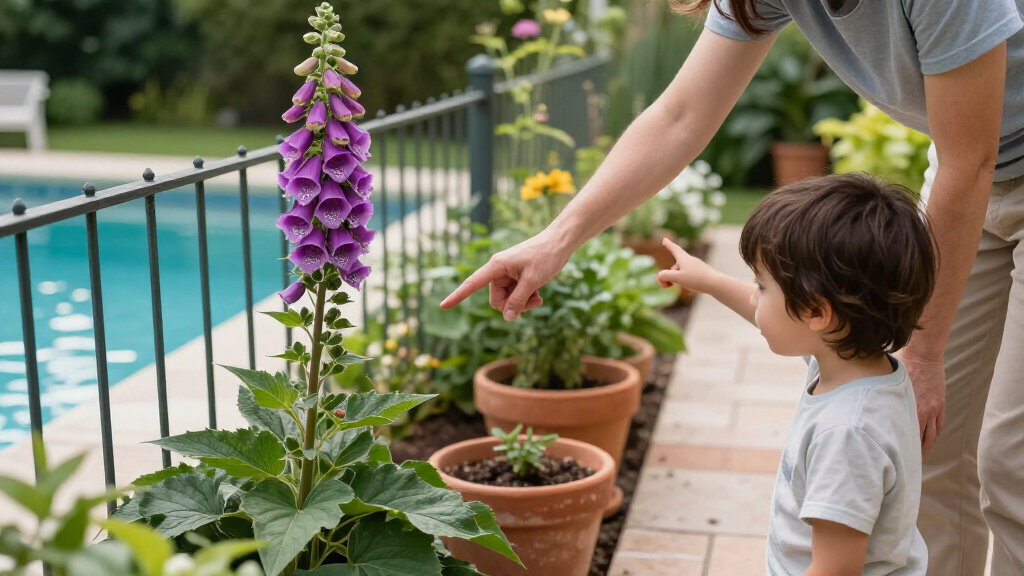
The nine plants identified are: oleander (Nerium oleander), foxglove (Digitalis purpurea), yew (Taxus spp.), sago palm (Cycas revoluta), castor bean (Ricinus communis), lilies (Lilium and Hemerocallis), autumn crocus (Colchicum autumnale), azaleas and rhododendrons, and — in a related category of skin reactions — plants such as poison ivy.
According to the report, the risks vary by plant. Oleander and foxglove both contain compounds that can interfere with heart function when eaten; UGA Extension classifies both as plants of major toxicity. Yew leaves and seeds contain toxic compounds, and the extension service also classifies yew as a major toxicity risk for pets. Castor bean seeds contain ricin, a highly toxic compound released when seeds are chewed or crushed — Poison Control warns that swallowing the beans can cause serious poisoning.
Pets face specific hazards. Every part of the sago palm is toxic, with seeds posing a particular risk to dogs and cats; ingestion can cause vomiting, liver damage, seizures and potentially death, the report states. For cat owners, lilies are singled out: true lilies and daylilies can cause acute kidney injury in cats, and even small exposures — including pollen ingested during grooming after brushing against flowers — can be life-threatening. Azaleas and rhododendrons, among the most common flowering shrubs in American gardens, can cause gastrointestinal problems, abnormal heart rhythms and seizures in larger ingestions, particularly in pets.
Why Ordinary Gardens Hide These Risks
The report’s central point is that the plants involved are not exotic or rare — they are mainstream garden staples sold at nurseries and planted in ordinary yards. That familiarity, the report argues, is exactly what makes the toxicity easy to overlook, particularly for azaleas and rhododendrons, which are widespread in American gardens.
Children and pets are the groups most at risk, because they are likeliest to chew or handle plant material. The report also flags less obvious exposure routes: fallen leaves, flowers and trimmings under oleander or yew; seed pods from castor bean; and lily pollen transferred to a cat’s fur during grooming. It warns against burning oleander, because smoke from poisonous plants can also be hazardous.
The Safety Advice Behind the List
Amateur Gardening frames its list as a hazard-recognition guide rather than a call for removal. Its general advice: know what you are growing, place risky plants where children and pets cannot reach them, wear gloves when pruning, clear fallen plant material promptly, and never leave clippings where animals can chew them.
Specific recommendations include not growing castor bean where children can reach seed pods, avoiding true lilies and daylilies entirely in gardens accessible to cats, distinguishing autumn crocus from spring crocuses when buying or dividing plants, and never using foxglove to make homemade teas or remedies. The report draws on UGA Extension toxicity classifications and Poison Control guidance for its warnings.
“That doesn’t mean you need to remove every potentially dangerous plant. The important thing is knowing what you’re growing, understanding the risk and taking sensible precautions.”
— Amateur Gardening report
What the Guide Does Not Cover
The published excerpt was truncated before the ninth item and the poison ivy entry could be fully read, so complete details on that section are not available here. The report does not provide data on how often these plants cause poisoning incidents, so the frequency of actual harm is not quantified. Individual sensitivity to toxic plants varies, and the severity of any exposure depends on the amount ingested, the person or animal involved, and how quickly treatment is sought — factors the guide addresses only in general terms.
What Gardeners Should Do Now
Gardeners can act on the guide’s recommendations this season: identify existing plants, check labels before buying, move or barrier off risky specimens where children or pets have access, and clear fallen material under oleander, yew, sago palm and castor bean. Anyone who suspects ingestion should contact a poison control center for people or a veterinarian or animal poison-control service for pets immediately, rather than waiting for symptoms. Requirements and plant availability vary by region, so verify local guidance and plant toxicity with official extension services before planting or removing anything.
Key Questions
Do I need to remove toxic plants from my garden?
No. According to the Amateur Gardening report, the goal is knowing what you grow and taking precautions — placement, gloves, prompt clearing of clippings — rather than removing every potentially dangerous plant.
Which plant is most dangerous to cats?
Lilies. True lilies (Lilium) and daylilies (Hemerocallis) can cause acute kidney injury in cats, and even small exposures, including pollen ingested during grooming, can be life-threatening. The report advises cat owners not to grow them where cats can reach them.
What should I do if someone eats part of a toxic plant?
Contact a poison control center promptly rather than waiting for symptoms. For pets, contact a veterinarian or animal poison-control service immediately, especially for sago palm or lily exposure.
Is it safe to burn oleander or other poisonous plant trimmings?
No. The report warns never to burn oleander, because smoke from poisonous plants can also be hazardous. Dispose of clippings where animals and children cannot reach them.
Are autumn crocuses as safe as spring crocuses?
No. Autumn crocus (Colchicum autumnale) is unrelated to spring crocuses and is toxic throughout, with serious poisoning potentially affecting the gastrointestinal system, heart, kidneys, liver and bone marrow. Check labels carefully when buying or dividing plants.
Source: rss
Fall Picks
fall essentials
As an affiliate, we earn on qualifying purchases.