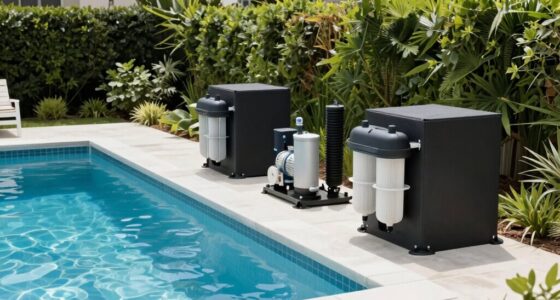

When you add a swimming pool to your property, it can increase your home’s value, which may lead to higher property taxes upon reassessment. The costs for installation are generally not tax-deductible unless the pool is linked to a rental or business use, so keeping detailed records is helpful. Pool improvements can also reduce your capital gains tax when you sell. For more details on how these factors affect you, continue exploring the implications of pool additions.

Get pool and patio gear delivered free with Prime
- Fast, free delivery on millions of items
- Prime Video, Amazon Music and more included
- Member-only deals all year
Key Takeaways
- Pool construction costs are generally personal expenses and not tax-deductible unless linked to rental or business use.
- Adding a pool can increase your property’s basis, potentially reducing capital gains tax upon sale.
- Keep detailed records of pool-related expenses to support future tax deductions and accurate basis calculation.
- Installing eco-friendly or professionally built pools may qualify for local incentives or rebates.
- Pool improvements can impact property taxes through reassessment, affecting overall tax liability.

Adding a swimming pool to your property can bring enjoyment and increased home value, but it also has important tax implications to contemplate. When you decide to install a pool, you’ll want to consider how the pool construction costs may influence your property’s assessed value. These costs include expenses for excavation, materials, labor, permits, and landscaping around the pool area. While the upfront investment might seem substantial, it’s essential to understand how these costs could impact your property’s appraised value.
In most cases, a new swimming pool will increase your property value, especially if it’s well-designed and complements your home’s overall aesthetic. However, the degree of this property value impact varies depending on your local real estate market and the quality of the pool installation. A luxurious, professionally built pool can boost your home’s worth more considerably than a basic, DIY setup. Keep in mind that an increase in property value could lead to higher property taxes, as your local assessor might adjust your home’s assessed value to reflect the new amenities.
It’s also important to understand that not all pool-related expenses are tax-deductible. In general, if you’re installing a pool solely for personal enjoyment, the costs are considered personal expenses. However, if you own rental property or use the pool as part of a home-based business, you might be able to deduct some of the costs, including a portion of pool construction costs associated with generating rental income. Consulting a tax professional can clarify what qualifies and help you maximize any potential deductions.
Additionally, adding a pool can influence your estate planning and capital gains calculations when selling your property. Since pools are considered improvements, they add to your basis in the property, potentially reducing your capital gains tax liability upon sale. Still, it’s vital to keep detailed records of all pool-related expenses, as these will help establish your adjusted basis and ensure accurate tax reporting.
Furthermore, the high-quality project of installing a professional-grade pool can sometimes qualify for local rebates or incentives, especially if eco-friendly features are incorporated. Before starting construction, you should research local tax laws and zoning regulations to understand any benefits or restrictions that could affect your investment.
As an affiliate, we earn on qualifying purchases.
Frequently Asked Questions
Can I Deduct Pool Installation Costs on My Taxes?
You can’t directly deduct pool installation costs on your taxes, but if you financed the pool, interest on your pool loan might be deductible if it’s considered a home improvement. Keep in mind, adding a pool can impact your insurance considerations, potentially raising premiums or requiring additional coverage. Always consult a tax professional to see if any part of your pool expenses, like maintenance or improvements, qualify for deductions or credits.
How Does a Pool Affect My Property Tax Assessment?
Adding a pool can increase your property value by up to 8%, which may lead to higher property taxes. When your property value rises, the tax rate remains the same, but your overall tax bill can go up. You should expect local assessors to reevaluate your home’s worth, potentially boosting your property tax assessment. Keep in mind, this change depends on your area’s rules and how much the pool adds to your home’s appeal.
Are There Tax Credits Available for Installing Eco-Friendly Pools?
Yes, you may qualify for eco-friendly incentives and green building credits when installing an eco-friendly pool. These credits can reduce your overall costs and promote sustainable practices. Check with your local government or utility providers, as they often offer rebates or incentives for energy-efficient features like solar heating or eco-friendly materials. Taking advantage of these programs not only benefits the environment but also helps you save money.
Will Adding a Pool Increase My Capital Gains Tax?
Adding a pool might increase your resale value, but it generally won’t directly raise your capital gains tax unless you sell your property soon after. Pool financing costs can be added to your home’s basis, potentially reducing gains. Keep in mind, the improved resale value could lead to higher taxable profit when you sell, so plan accordingly. Always consult a tax professional for personalized advice based on your situation.
Do Maintenance Expenses for the Pool Qualify as Tax Deductions?
Maintenance expenses for your pool generally don’t qualify as tax deductions unless you’re using the pool for rental or business purposes. While pool safety and water conservation efforts, like installing energy-efficient equipment or safety features, can sometimes be considered for tax benefits, routine maintenance costs usually aren’t deductible. Focus on implementing safety and conservation measures to potentially qualify for specific credits, but keep detailed records of expenses for future reference.
professional in-ground pool installation
As an affiliate, we earn on qualifying purchases.
As an affiliate, we earn on qualifying purchases.
Conclusion
While adding a pool might seem costly upfront, remember that it can boost your property’s value and potentially lower your taxes through deductions or credits. Don’t let the initial expense hold you back—think of it as an investment in your lifestyle and future returns. With proper planning and consultation, you can enjoy your new pool without unexpected tax surprises, making the expense worthwhile and even advantageous in the long run.
As an affiliate, we earn on qualifying purchases.
pool maintenance and cleaning tools
As an affiliate, we earn on qualifying purchases.
As an affiliate, we earn on qualifying purchases.
Evergreen bestsellers Picks
bestsellers
As an affiliate, we earn on qualifying purchases.