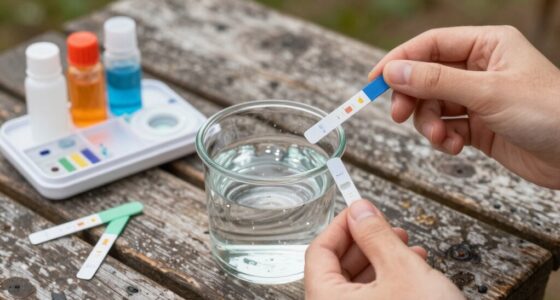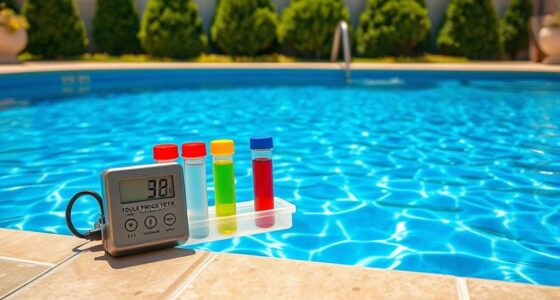
Proper water balance is essential for protecting your pool equipment just as much as ensuring swimmer comfort. When pH and alkalinity are maintained within ideal ranges, you prevent corrosion, scale buildup, and mineral deposits that can damage pumps, filters, and heaters. This keeps your system running efficiently and extends its lifespan. By keeping water chemistry stable, you reduce maintenance costs and avoid costly repairs. If you want to understand how to keep your equipment safe and your water crystal clear, discover more below.
Play games included with Prime
Start a Prime free trial and play with Amazon Luna on your devices.
As an affiliate, we earn on qualifying purchases.
Key Takeaways
- Proper water balance prevents corrosion and mineral buildup, protecting essential pool equipment like pumps, filters, and heaters.
- Maintaining stable pH levels reduces scaling and damage to equipment components.
- Balanced water minimizes chemical strain on equipment, extending its lifespan and reducing maintenance costs.
- Correct water chemistry prevents cloudiness and algae, supporting equipment efficiency and water clarity.
- Consistent water balance avoids sudden chemical fluctuations that can harm both swimmers and pool systems.
Maintaining proper pool water balance is essential for protecting your equipment and ensuring a safe, enjoyable swimming environment. When your water’s chemistry is properly stabilized through chemical stabilization, you reduce the risk of corrosion and scaling that can damage your pump, filter, and other critical components. Chemical stabilization involves adding the right compounds to keep the water’s pH and alkalinity levels steady, preventing sudden fluctuations that could harm your equipment over time. If these levels aren’t maintained, parts like heaters and filters may be exposed to corrosive conditions or mineral buildup, leading to costly repairs or replacements.
Proper chemical stabilization protects pool equipment by maintaining stable pH and alkalinity levels, preventing costly damage over time.
pH regulation plays a key role in this process. When the pH level drifts outside the ideal range of 7.4 to 7.6, it can cause serious issues. A low pH makes the water acidic, which accelerates corrosion of metal parts like pumps, valves, and heaters. Conversely, a high pH creates alkaline conditions that promote scale formation and cloudiness, which can clog filters and reduce overall system efficiency. By consistently monitoring and adjusting pH levels, you guarantee that your pool’s water remains within the safe zone, offering protection for your equipment and extending its lifespan. Additionally, understanding how to correctly implement chemical stabilization helps prevent imbalances that could compromise water quality and equipment longevity. Proper water chemistry is fundamental to achieving these goals.
Beyond protecting equipment, proper water balance also benefits swimmers by providing a comfortable, safe swimming environment. When pH and chemical levels are properly regulated, the water feels better on the skin and eyes, reducing irritation and discomfort. Balanced water also helps prevent algae growth and bacterial contamination, making your pool safer for everyone. However, the key to maintaining this balance lies in understanding how to effectively implement chemical stabilization and pH regulation. Regular testing and timely adjustments are necessary to prevent imbalances that could compromise both water quality and equipment integrity. Proper water chemistry management can also extend the lifespan of your pool’s components by reducing mineral deposits and corrosion risks. Proper water chemistry is closely linked to system efficiency, ensuring your pool operates smoothly and reliably.
In addition, good water balance minimizes the need for frequent chemical treatments and maintenance, saving you money and effort. It reduces the wear and tear on your filtration system, keeps mineral deposits from forming, and ensures that chlorine and other sanitizers work efficiently. Ultimately, investing in proper chemical stabilization and pH regulation isn’t just about keeping the water clear and healthy; it’s about safeguarding every piece of equipment that keeps your pool running smoothly. When your water chemistry remains stable, you create a safer, more reliable environment for swimmers and protect your investment in your pool’s equipment for years to come.
As an affiliate, we earn on qualifying purchases.
Frequently Asked Questions
How Often Should I Test My Pool’s Water Chemistry?
You should test your pool’s water chemistry at least twice a week to guarantee proper pool maintenance. Regular water testing helps you monitor pH, chlorine levels, and alkalinity, preventing issues that can damage equipment or harm swimmers. If your pool gets heavy use or has weather changes, test more frequently. Staying on top of water testing keeps your pool balanced, safe, and equipment in good working order.
Can Improper Water Balance Cause Long-Term Equipment Damage?
Improper water balance is like a ticking time bomb for your pool equipment. If pH and alkalinity aren’t maintained, it can lead to equipment corrosion or water scaling. Corrosion eats away at metal parts, while scaling clogs pipes and filters, both causing long-term damage. Regularly testing and adjusting your water chemistry prevents these issues, ensuring your equipment stays in top shape and your pool runs smoothly.
What Are the Signs of Imbalanced Pool Water Affecting Equipment?
You’ll notice signs like corrosion on metal parts, including pumps and filters, when pool water’s chemical imbalances occur. You might see cloudy water, algae growth, or mineral build-up, indicating your equipment is under stress. These issues happen because improper chemical levels lead to equipment corrosion and damage over time. Regular testing and balancing of pool water help prevent these problems, keeping your equipment functioning smoothly and extending its lifespan.
Does Water Temperature Influence Water Balance and Equipment Safety?
Yes, water temperature influences water balance and equipment safety. When the temperature varies, it affects thermal stability, which can cause chemical interactions to change, leading to imbalanced water. These shifts may result in corrosion or scaling that damages your equipment. Keeping the water at a stable temperature helps maintain proper chemical levels, ensuring your pool equipment stays protected and functions efficiently, preventing costly repairs and extending its lifespan.
Are There Specific Chemicals That Protect Equipment Better?
Yes, certain chemicals better protect your pool equipment. Using corrosion inhibitors helps prevent chemical corrosion, which can damage pumps and filters. Additionally, stabilizers like sequestrants reduce mineral buildup, preventing scale and clogs. Regularly balancing pH and alkalinity with appropriate chemicals also minimizes corrosion risks. These measures keep your equipment running smoothly, extending its lifespan, and guarantee your pool stays clean and safe for swimmers.
As an affiliate, we earn on qualifying purchases.
Conclusion
Think of your pool’s water balance as the shield guarding your equipment’s heart. When you keep the water properly balanced, you’re not just protecting your equipment—you’re giving it a sturdy armor that withstands the wear and tear of daily use. Neglect this balance, and corrosion or damage can sneak in like sneaky villains. So, stay vigilant with your water chemistry, and your pool’s equipment will stand strong, ready to make every splash a safe and enjoyable adventure.
As an affiliate, we earn on qualifying purchases.
As an affiliate, we earn on qualifying purchases.
Fall yard work Picks
leaf blowers
As an affiliate, we earn on qualifying purchases.