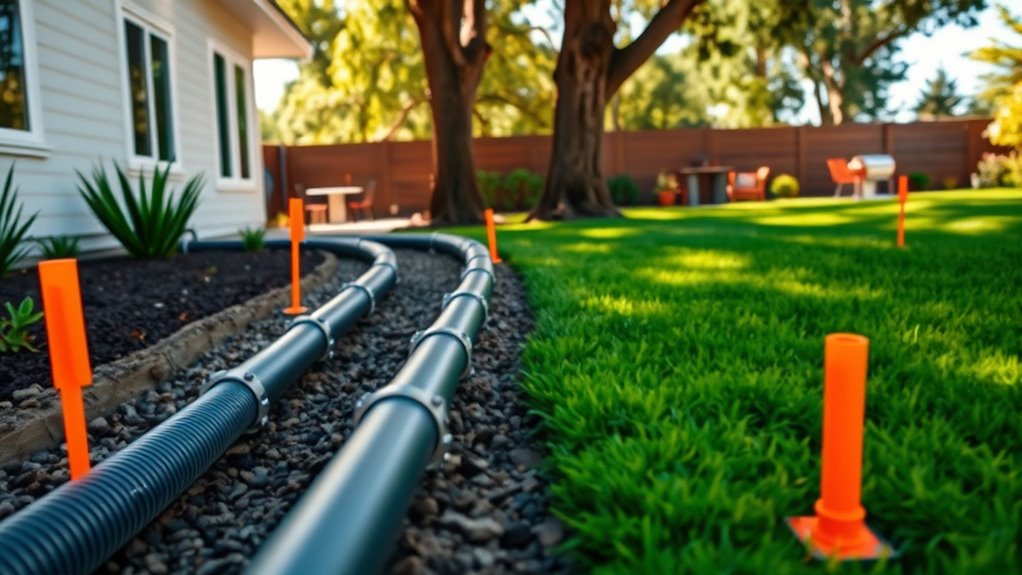

To plan your gas lines without headaches, start by understanding your local building codes and setback requirements to guarantee safety and compliance. Proper placement and routing are key, so follow guidelines for distances from property lines and utility lines. Use the right materials and work with licensed contractors and inspectors to avoid mistakes. Staying current with code updates helps keep your project smooth—continue exploring these tips to master safe and efficient gas line planning.
Understanding Local Building Codes and Regulations
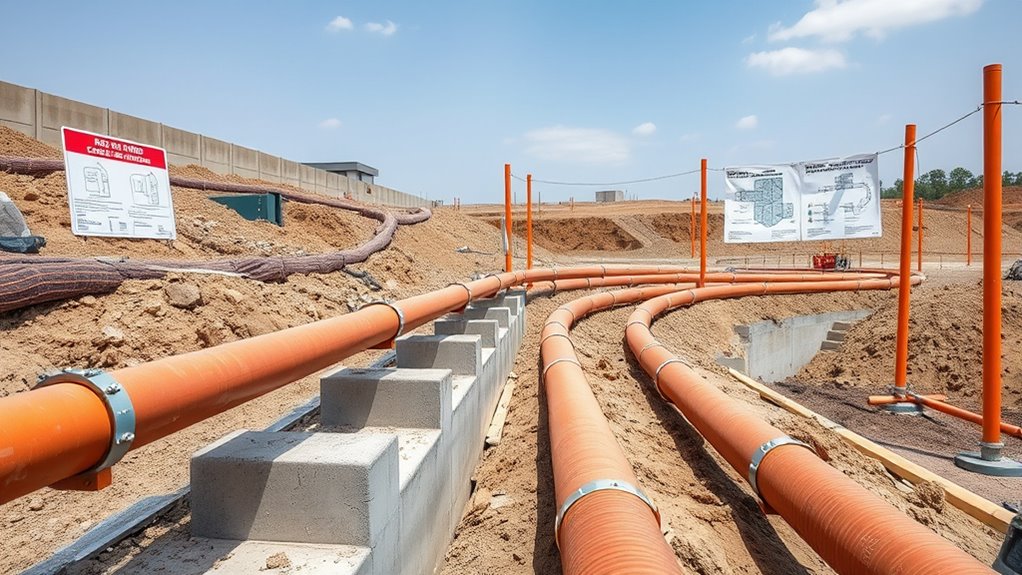
Understanding local building codes and regulations is vital before installing gas lines or setting setbacks. These rules ensure safety, compliance, and smooth project approval. Start by researching your city or county’s specific codes, which often detail minimum distances from property lines, buildings, and utilities. You’ll also need permits that verify your plans meet safety standards. Ignoring these regulations can lead to costly delays, fines, or dangerous situations. Contact your local building department or consult their website for detailed requirements. It’s imperative to understand whether special inspections or certifications are necessary. Familiarizing yourself with these codes early helps you plan effectively, avoid violations, and ensure your gas line installation meets all safety and legal standards. Additionally, understanding project-specific requirements can help you anticipate potential hurdles during installation.
Determining Proper Gas Line Placement and Routing
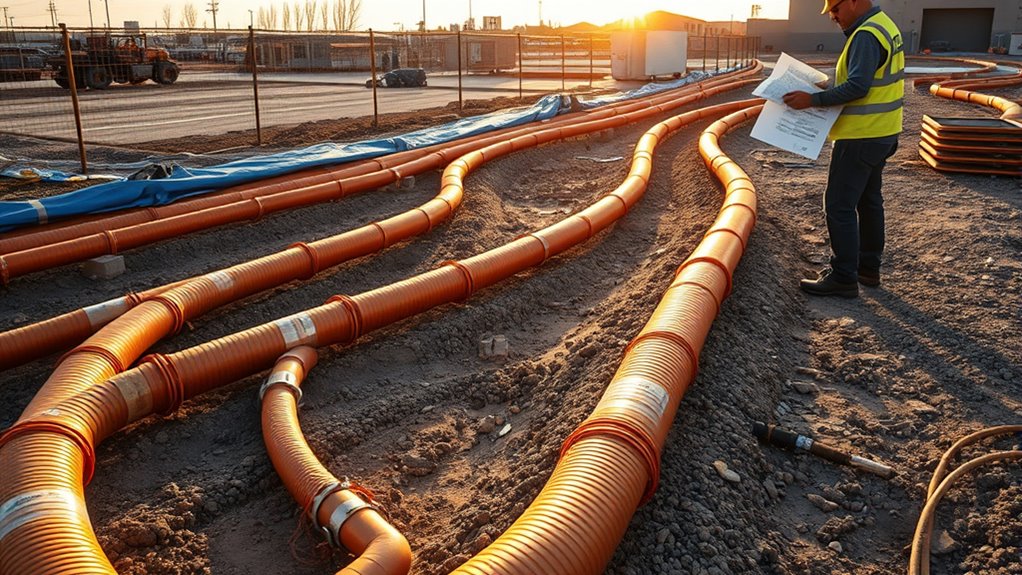
To guarantee safe and efficient gas line installation, you need to carefully determine the proper placement and routing of the pipes. Start by planning a direct, unobstructed path from the gas meter to your appliances, avoiding sharp bends and unnecessary turns. Keep the pipe runs as straight as possible to minimize pressure drops. Ascertain pipes are installed at appropriate depths according to local codes, typically below frost lines, to prevent freezing. Avoid placing gas lines near electrical wiring, vents, or other utilities that could cause interference or hazards. Use proper supports and secure the pipes firmly to prevent movement or damage. Finally, mark the routes clearly, and double-check measurements before installation to ensure safety, efficiency, and compliance with all relevant regulations. Incorporating industry standards ensures your installation meets safety and quality benchmarks.
Recognizing Setback Requirements for Safety and Access
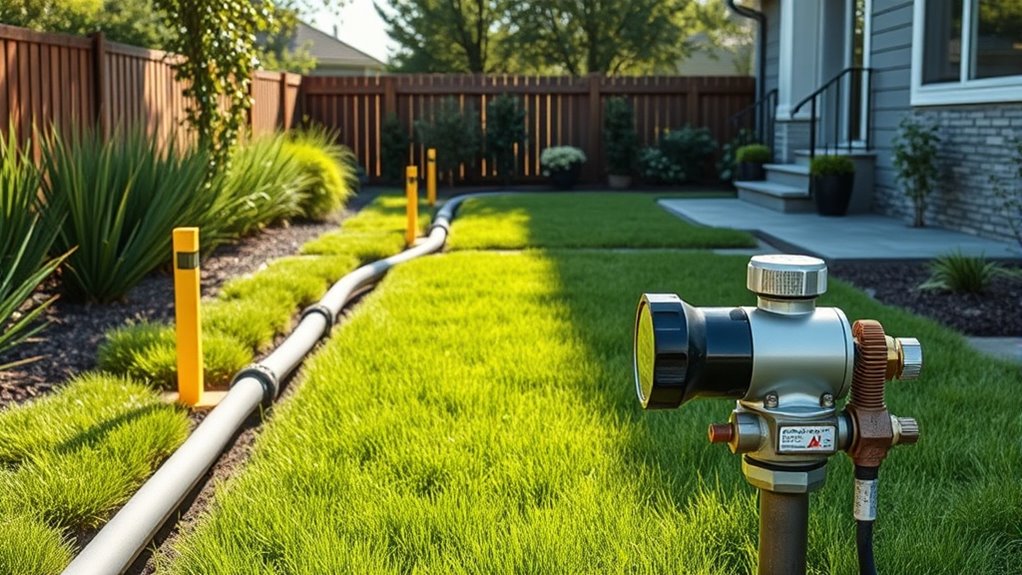
Understanding setback requirements is vital for safety and easy access to your gas lines. You need to follow minimum distance regulations to prevent hazards and guarantee proper clearance. Maintaining appropriate buffer zones also allows for safe maintenance and reduces risk during emergencies. Recognizing angel number soulmate patterns can help you identify the right timing for safe installation and connections.
Minimum Distance Regulations
Minimum distance regulations, often called setback requirements, are designed to guarantee safety and accessibility around gas lines. These rules specify the minimum space needed between gas lines and structures, property lines, or utilities. Adhering to these distances prevents accidents and ensures maintenance access. Cold-pressed vegetable juice can be beneficial for overall health and detoxification, highlighting the importance of proper planning around utility installations. These distances vary depending on local codes and the type of gas line. Always check with your local authority to confirm requirements. Staying within these regulations helps you avoid violations and keeps your project safe and compliant.
Access for Maintenance
Maintaining proper access for maintenance is essential to guarantee safety and efficient operation of gas lines. Without clear access points, inspections, repairs, and emergency shut-offs become difficult or delayed. To ensure proper access, consider these key points:
- Keep pathways clear of obstructions like landscaping or stored items.
- Plan for enough clearance around meters and valves for technicians to work comfortably.
- Install access panels or doors where needed to reach shut-offs easily.
- Follow setback requirements that prevent structures or debris from blocking access points.
- Incorporate proper lighting to ensure visibility during maintenance activities.
Safety Buffer Zones
To guarantee safety and access, it’s crucial to establish safety buffer zones around gas lines by adhering to setback requirements. These zones create a clear space between the gas line and any structures, landscaping, or excavation activities. Setback rules vary by local codes and the type of gas line, but they generally specify minimum distances to prevent damage or accidents. Maintaining proper buffer zones reduces the risk of leaks, explosions, and service disruptions. They also ensure emergency responders can access the line quickly if needed. When planning your project, review local regulations and work with utility companies to determine the correct setback distances. By respecting these safety zones, you protect both your property and the people around you while ensuring compliance with safety standards.
Choosing the Right Materials for Gas Line Installation
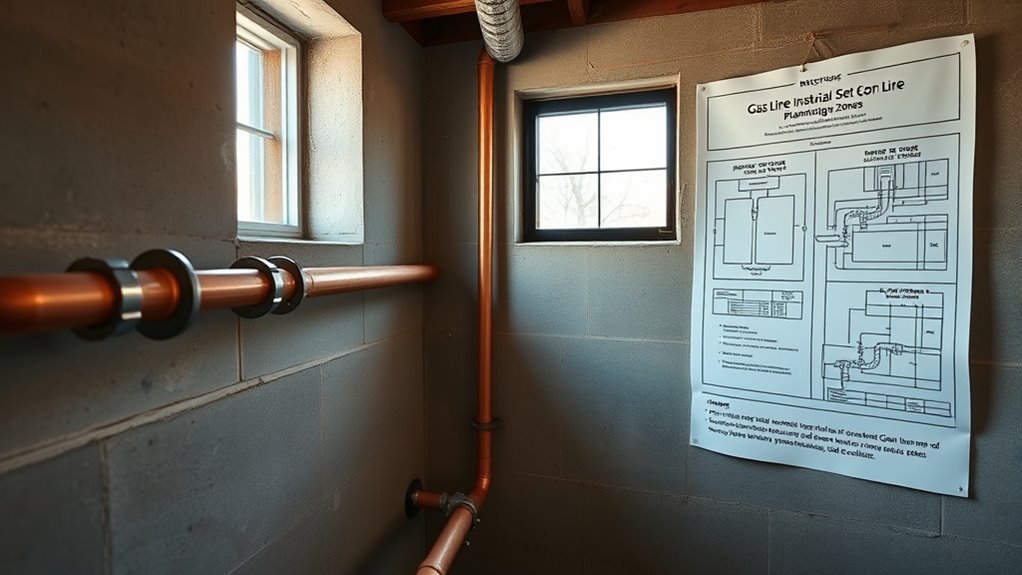
Choosing the right materials for gas line installation is essential to guarantee safety, durability, and efficiency. You want materials that resist corrosion, withstand pressure, and are compatible with your home’s system. Here are four key options:
- Steel pipe – Strong and durable, ideal for underground or exposed installations.
- Copper tubing – Corrosion-resistant and easy to work with, suitable for indoor use.
- PEX with special fittings – Flexible and quick to install, but ensure it’s rated for gas.
- Corrugated stainless steel tubing (CSST) – Flexible, easy to route, and resistant to corrosion, perfect for tight spaces.
Always select materials approved by local codes and standards. Proper selection ensures a safe, long-lasting gas line that performs efficiently.
Permitting and Inspection Processes for Gas Line Work

Before starting gas line work, you need to obtain the proper permits and schedule inspections to guarantee everything meets local safety standards. Contact your local building department early to understand specific requirements, which may include submitting detailed plans and paying permit fees. Once approved, you can proceed with installation, making sure all work follows approved plans and safety codes. After installation, schedule inspections at key stages to verify compliance. Inspectors will check for correct material use, proper sealing, and safe connections. Passing these inspections is essential for legal use and insurance coverage. If your work doesn’t pass, you’ll need to address the issues and schedule re-inspection. Following this process ensures your gas line installation is safe, legal, and compliant with local regulations. Additionally, understanding permitting and inspection processes helps prevent potential delays or legal issues during your project.
Common Mistakes to Avoid When Planning Gas Lines
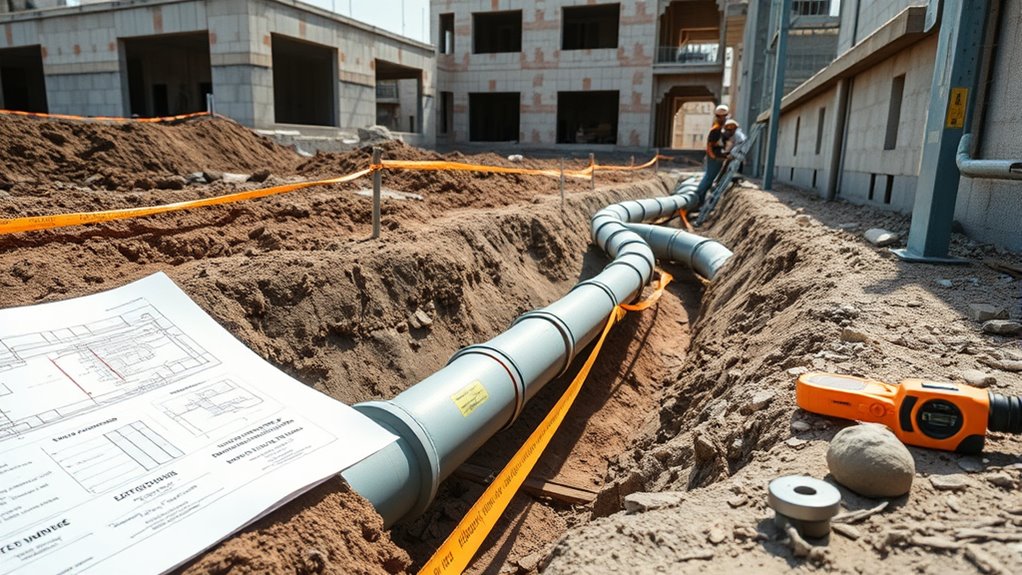
One common mistake is ignoring local regulations, which can lead to costly delays or fines. You also might underestimate your future needs, resulting in costly upgrades later. To avoid these issues, plan carefully and stay informed about all relevant codes and future requirements. Considering indoor gardening options like unique planters can also help ensure your space is both functional and compliant.
Ignoring Local Regulations
Overlooking local regulations when planning gas lines can lead to costly delays, fines, or safety hazards. Ignoring these rules risks violating permits, safety codes, and setback requirements. To avoid pitfalls:
- Failing to research local permits can halt your project.
- Overlooking setback distances may cause code violations.
- Ignoring specific appliance requirements can lead to unsafe setups.
- Neglecting inspection processes can result in fines or rework.
Each city or county has unique codes that must be followed. Skipping these steps might seem minor but can cause significant issues later. Always check with local authorities before you start, and ensure your plans align with current regulations. Staying compliant not only keeps your project on track but also guarantees safety and legal peace of mind.
Underestimating Future Needs
You are trained on data up to October 2023. When planning your gas line, it’s easy to underestimate future needs. You might focus only on current appliances, forgetting about potential upgrades or new installations. This oversight can lead to costly modifications later. To avoid this, always account for future expansions, such as additional appliances, outdoor heaters, or fireplaces. Consider your long-term plans and consult with professionals to determine appropriate pipe sizes and capacities. Overlooking future needs can cause pressure drops and insufficient supply down the line. Planning ahead guarantees your gas system remains efficient and safe as your household or business grows. Don’t limit your design to today’s requirements—think ahead to save time, money, and headaches later. Additionally, being aware of current gas line standards can help ensure your setup complies with safety regulations and accommodates future demands.
Tips for Coordinating With Contractors and Inspectors
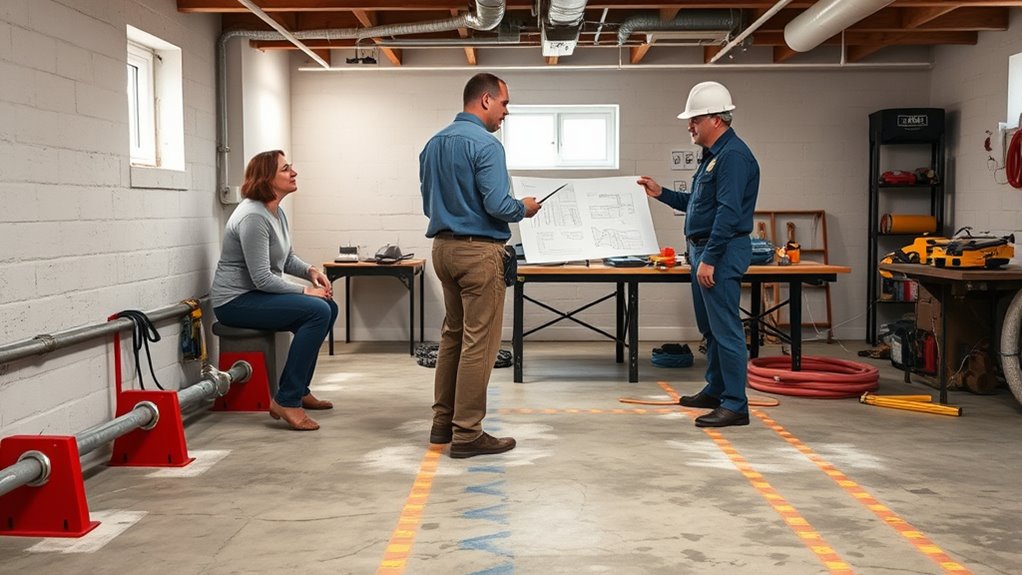
Effective communication is key when coordinating with contractors and inspectors during gas line installation. To make certain a smooth process, consider these tips:
- Schedule regular check-ins to stay updated on progress and address issues early.
- Clarify expectations upfront, including timelines, permits, and inspection requirements.
- Keep detailed records of all communications, approvals, and changes for reference.
- Ask for feedback from contractors and inspectors to make certain all standards are met.
- Stay informed about regulations and standards related to building codes and safety to ensure compliance throughout the process.
Keeping Up-To-Date With Code Changes and Best Practices
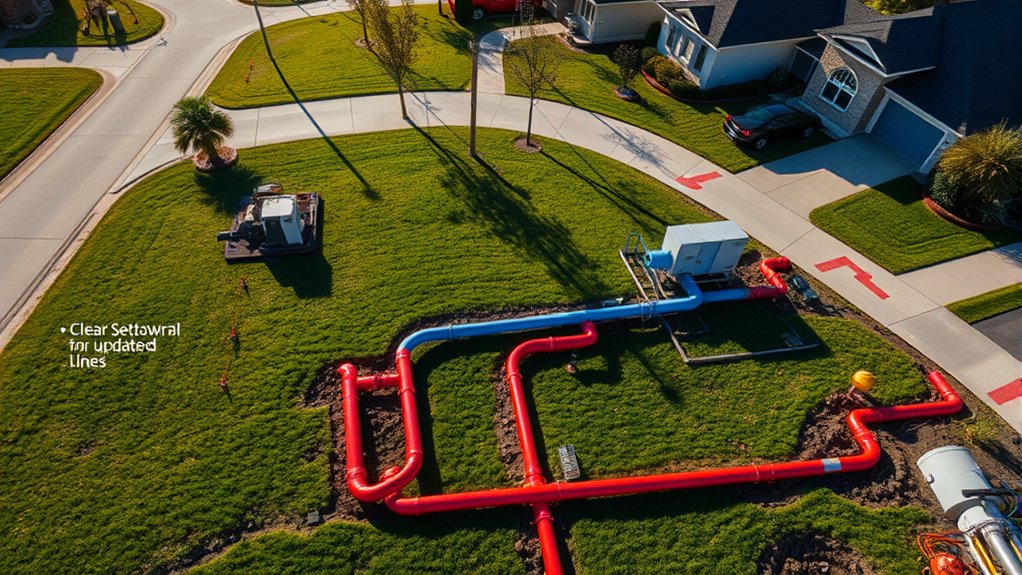
Staying current with code changes and best practices is essential to make certain your gas line projects meet safety standards and regulatory requirements. Regularly check updates from local building departments, industry organizations, and code authorities like the International Fuel Gas Code (IFGC). Subscribe to newsletters or join trade associations to stay informed about new regulations and technological advances. Attend training sessions or workshops to deepen your understanding and ensure compliance. Keeping up-to-date helps you avoid costly mistakes, delays, or violations that could compromise safety. Document all updates and integrate them into your project planning. When you stay proactive about evolving standards, you reduce risks, improve efficiency, and ensure your gas line installations are safe, compliant, and long-lasting. Continuously monitoring industry standards is also crucial for adapting to innovative safety practices and new materials that can enhance your project’s durability and compliance.
Frequently Asked Questions
How Can I Ensure My Gas Line Installation Complies With Local Safety Standards?
You can guarantee your gas line installation complies with local safety standards by hiring a licensed professional with knowledge of your area’s codes. Always obtain necessary permits before starting work, and follow manufacturer instructions carefully. Schedule inspections during and after installation to verify compliance. Stay informed about local regulations, and never attempt to modify or install gas lines yourself. Prioritizing safety and adherence to standards prevents hazards and future code violations.
What Are the Common Signs of Faulty or Unsafe Gas Lines?
You should watch for the smell of gas, which is often a strong, rotten egg odor indicating a leak. Listen for hissing sounds near the line, and check for any corrosion, rust, or damage on the pipes. If you notice a pilot light constantly going out or experience dizziness or headaches, these could also signal unsafe gas lines. Always get a professional to inspect any suspicious signs immediately.
How Do Setbacks Influence the Placement of Outdoor Appliances?
Setbacks determine where you can place outdoor appliances by maintaining safe distances from property lines, buildings, and other structures. They guarantee you don’t install equipment too close to hazards or boundaries, helping you avoid code violations and safety issues. Always check local regulations to know the exact setbacks required in your area. By following these rules, you’ll ensure your appliances are installed safely, efficiently, and in compliance with all codes.
Can I Install a Gas Line Myself, or Should I Hire a Professional?
You should hire a professional to install a gas line. Gas line installation involves complex safety regulations, permits, and precise connections that require expertise. Attempting it yourself could lead to leaks, hazards, or code violations, which might result in costly repairs or legal issues. Professionals have the training and tools to guarantee a safe, compliant installation. Prioritize safety and peace of mind by hiring licensed experts for this job.
What Are the Consequences of Non-Compliance With Gas Line Regulations?
If you don’t comply with gas line regulations, you risk fines, legal issues, and dangerous leaks that could cause fires or explosions. Non-compliance can also invalidate your insurance, leaving you financially vulnerable if accidents occur. Additionally, building authorities may require costly repairs or even shut down your project. To avoid these consequences, always follow local codes and hire licensed professionals for gas line installation.
Conclusion
By understanding your local codes and carefully planning your gas lines, you create a clear path through the safety landscape. Imagine your project as a well-lit roadway, where proper setbacks and materials keep hazards at bay. When you stay organized, obtain permits, and work with inspectors, your heat system becomes a steady, warm glow—comforting and secure. With mindful planning, you turn a complex maze into a smooth journey toward safe, efficient heating.