Choosing a larger or deeper pool increases your costs due to higher water, chemicals, heating, and maintenance expenses. It also demands sturdier safety fencing and advanced lighting, raising installation costs. Larger pools exert more hydrostatic pressure, which could lead to structural issues if not managed properly. If you pick a size and depth that match your intended use, you’ll save money and ensure safety. Continue exploring to understand how to balance costs with your pool goals.
Key Takeaways
- Larger pools require more water, increasing chemical, heating, and filtration costs over time.
- Deeper pools necessitate specialized, more expensive equipment for heating, filtration, and safety measures.
- Increased size and depth raise installation costs, including sturdy fencing and safety barriers.
- Maintenance expenses grow with pool size and depth due to higher water volume and debris management.
- Structural risks and hydrostatic pressure in larger or deeper pools can lead to higher repair and reinforcement costs.
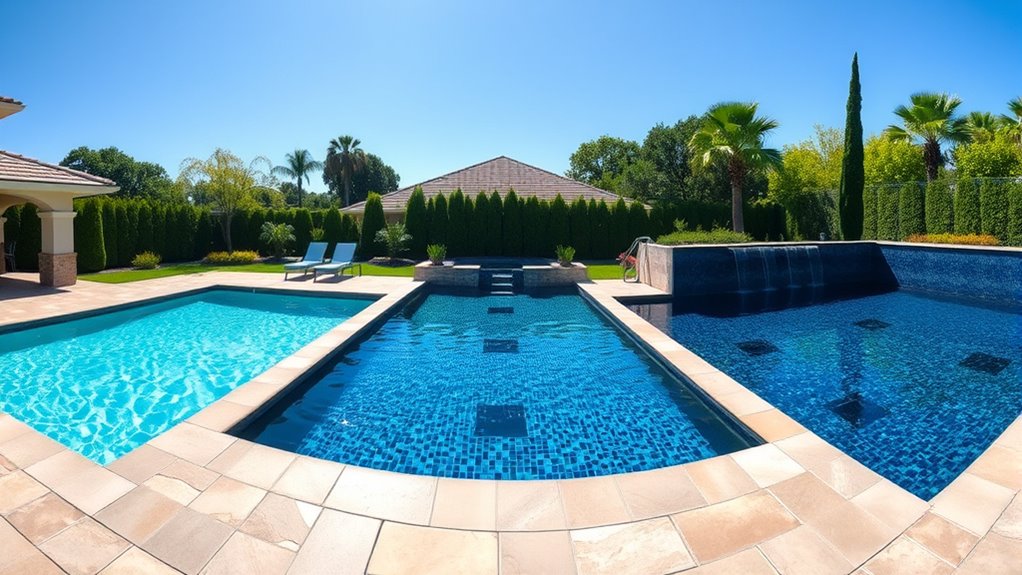
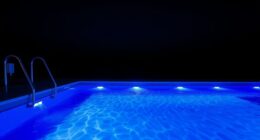
Beyond the initial setup, your choice of pool size and depth impacts ongoing maintenance costs. Larger pools naturally require more water, which means you’ll spend more on chemicals, filtration, and heating. Maintaining proper water chemistry becomes more challenging and costly as the volume increases. Deep pools, in particular, may need specialized equipment to ensure even heating and filtration throughout, adding to your ongoing expenses. Additionally, the larger the surface area, the more debris can fall in, increasing the frequency and effort needed for cleaning. These maintenance considerations are vital to understand because they can markedly influence your total investment over time. Moreover, the hydrostatic pressure exerted by larger or deeper pools can affect their structural integrity and long-term durability, potentially leading to additional repair costs if not properly managed. When it comes to installation considerations, size and depth influence not only costs but also your pool’s lifespan and safety features. Deeper pools demand sturdier, often more expensive fencing and safety barriers to prevent accidents, especially if children or pets are around. Similarly, larger pools may require more robust lighting systems for nighttime use, which can add to your initial outlay. Think about how your intended use influences your choices; a shallow, smaller pool might be perfect for lounging and light swimming, while a larger, deeper one could serve serious swimmers or diving enthusiasts. Your decision should align with both your budget and how you plan to enjoy the space.
Frequently Asked Questions
How Does Local Climate Affect Pool Size Affordability?
Your local climate directly impacts pool size affordability through climate adaptation needs and regional affordability. In warmer areas, larger pools are popular but can be costly to maintain, while in cooler climates, smaller pools are more practical and budget-friendly. Regional affordability also plays a role, as local labor and material costs influence overall expenses. By understanding your climate, you can make smarter choices that balance comfort with cost efficiency.
Are There Maintenance Cost Differences Based on Pool Depth?
You’ll find that deeper pools often require more pool chemicals to maintain proper water balance, increasing your ongoing costs. Additionally, you might spend more on pool covers, since larger or deeper pools need sturdier covers for safety and heat retention. Studies show that maintenance tasks, like cleaning and chemical balancing, take about 20% longer for deeper pools, making them slightly more expensive to keep in top shape.
What Are the Insurance Implications of Larger Pools?
Larger pools can increase your liability insurance costs because they pose a greater risk of accidents or injuries. You might need higher liability coverage to protect against potential claims. Insurance providers often see bigger pools as more hazardous, which could lead to higher premiums. To stay protected, consult with your insurer about adjusting your liability coverage to account for the increased risks associated with larger pools.
How Do Zoning Laws Influence Pool Size Choices?
Zoning laws directly influence your pool size choices, shaping your backyard vision. While a larger pool offers perceived safety for swimming and enhances aesthetic appeal, local regulations may limit its dimensions or require specific setbacks. You need to navigate these rules carefully, balancing your desire for a spacious, attractive pool with compliance. Ignoring zoning laws can lead to costly fines or the need to modify your plans later.
Can Custom Pool Shapes Impact Overall Costs Significantly?
Custom pool shapes can substantially impact your overall costs because they complicate the pool design and increase construction costs. Unique designs often require specialized materials, custom molds, and more complex excavation work, which can lead to higher labor and material expenses. While they add aesthetic appeal, you should be prepared for increased expenses in both the planning and construction phases, making your pool design more costly compared to standard shapes.
Conclusion
Choosing your pool’s depth and size is like planting a tree—you’ll want to contemplate how big it’ll grow and how it fits your space. Every decision impacts your budget, from excavation to finishing touches. By understanding these cost implications upfront, you can avoid surprises and ensure your dream pool doesn’t turn into a financial swamp. Make informed choices now, and watch your backyard oasis flourish without sinking your finances.