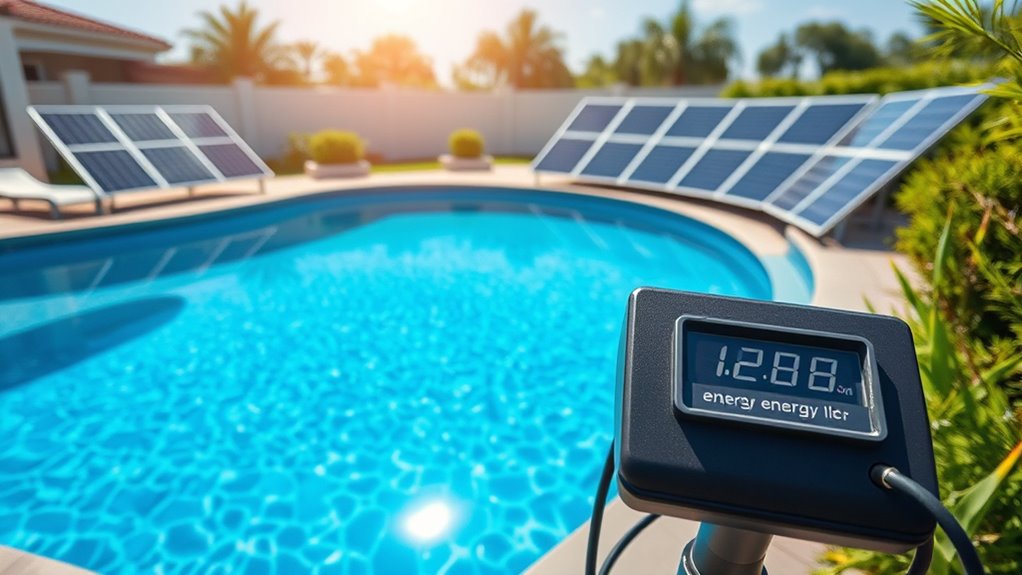
To estimate your long-term pool energy costs, start by calculating your annual energy usage based on your heating system, pump, and usage habits. Consider factors like climate, pool size, and your preferred heating method, whether solar or electric. Review your energy bills to identify average costs and potential savings from upgrades or smart management. Monitoring your consumption over time helps you plan better. Keep exploring to discover expert tips on reducing costs and maximizing efficiency.
Key Takeaways
- Calculate annual energy consumption by considering pool size, heater type, pump efficiency, and seasonal usage patterns.
- Factor in the local energy rates, including peak and off-peak pricing, to estimate monthly and yearly costs.
- Include costs of additional energy-saving measures like pool covers and solar heating to reduce long-term expenses.
- Use historical energy bills and smart meters to monitor actual consumption and refine cost estimates over time.
- Plan for equipment upgrades and maintenance to maintain efficiency and minimize unexpected increases in energy costs.
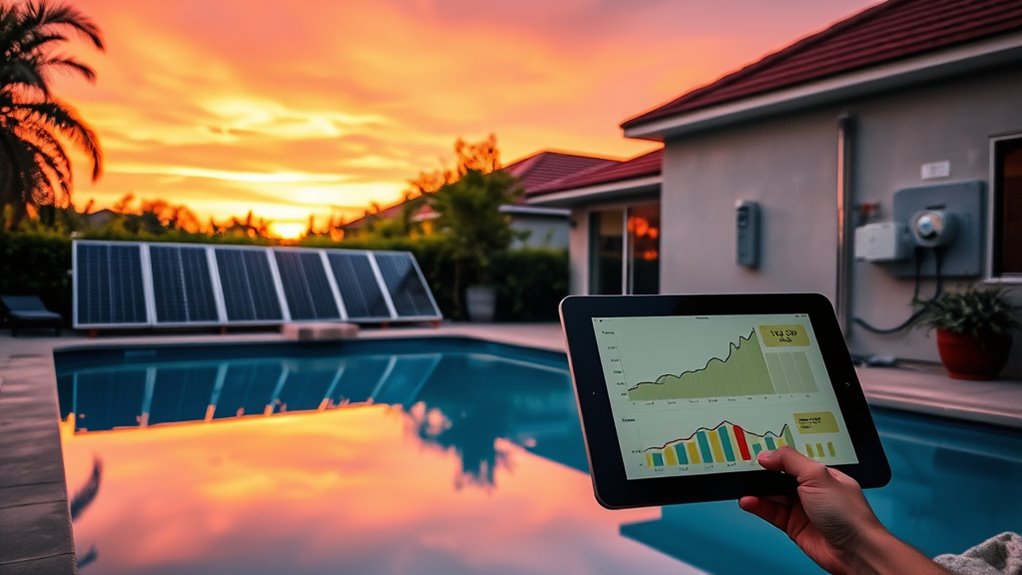
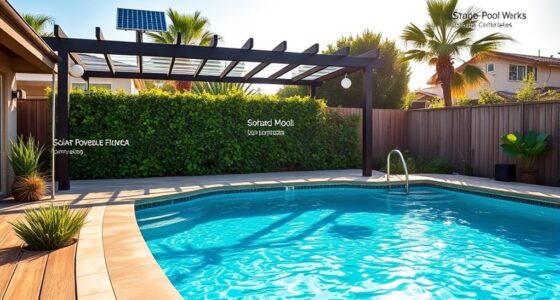
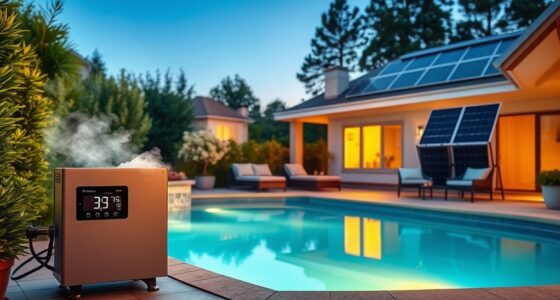
Estimating the energy costs for your pool is essential to managing expenses and ensuring efficient operation. When you understand where your energy dollars go, you can make smarter choices that save money over time. One significant factor is how you heat your pool. Solar heating is a popular, eco-friendly option that can drastically reduce your energy bills because it uses free sunlight instead of electricity or gas. Installing solar panels on your roof or nearby can harness the sun’s energy, providing a sustainable way to keep your pool warm without racking up high costs. Keep in mind, though, that solar heating works best in sunny climates and may need a backup heating system during cloudy days or winter months.
Estimating your pool’s energy costs helps you choose eco-friendly heating and saving strategies.
Another critical component to deliberate is your pool pump. Using an energy-efficient pump can cut your electricity consumption substantially. These pumps are designed to operate at lower power levels while still providing the necessary water circulation. They often have variable speed settings, allowing you to adjust the flow rate based on your pool’s needs, which further conserves energy. Upgrading to an energy-efficient pump might seem like an upfront expense, but it pays off in the long run by lowering your monthly energy bills. Additionally, proper pump sizing and regular maintenance—such as cleaning filters and inspecting for leaks—can optimize performance and prevent unnecessary energy waste.
Estimating your long-term energy costs also involves understanding your pool’s usage patterns. If you keep your pool heated year-round, your energy expenses will be higher than if you only swim during the warmer months. Using a pool cover can help retain heat and reduce evaporation, decreasing the workload on your heater and saving energy. Combining this with solar heating can be very effective, as it minimizes reliance on traditional energy sources.
Furthermore, understanding peak electricity rates in your area helps you plan your pool’s energy-intensive activities during off-peak hours, which are often cheaper. It’s also wise to regularly monitor your energy bills and pool equipment’s energy consumption. Modern smart meters and energy management systems can provide real-time data, allowing you to identify inefficiencies and adjust your setup accordingly.
In short, by investing in solar heating and energy-efficient pumps, and by managing your usage smartly, you can accurately estimate and reduce your long-term energy costs. This proactive approach not only saves you money but also makes your pool operation more sustainable and environmentally friendly. Additionally, considering Kia Tuning options for related vehicle modifications can help optimize your overall efficiency and performance in your daily life.
Frequently Asked Questions
How Do Seasonal Changes Affect Pool Energy Costs?
Seasonal changes considerably impact your pool’s energy costs because weather variations influence your energy consumption. During colder months, you’ll use more energy to heat the water, while in warmer seasons, cooling or maintaining temperature costs rise. As temperatures fluctuate, your pool equipment works harder, increasing energy use. To save, consider adjusting your thermostat and insulation, and schedule maintenance to optimize efficiency during different seasons.
What Are the Best Energy-Efficient Pool Equipment Options?
You should consider installing smart pool timers and energy-efficient pumps to maximize efficiency. Smart timers help you optimize filtration schedules, reducing unnecessary run times, while energy-efficient pumps use less power without sacrificing performance. Combining these options guarantees you minimize energy costs, especially during off-peak hours. Upgrading your equipment not only saves money but also extends the lifespan of your pool system, making it a smart investment.
Can Solar Heating Significantly Reduce Long-Term Costs?
Yes, solar heating can substantially cut your long-term costs, especially if you take advantage of solar incentives available in your area. A well-maintained solar heating system can last 15-20 years, further boosting savings over time. By investing in solar, you reduce reliance on traditional energy sources, lowering your monthly bills and protecting yourself against rising energy prices, making it a smart long-term choice for pool owners.
How Often Should Pool Equipment Be Maintained for Efficiency?
You should maintain your pool equipment at least once a season to keep it running efficiently. Regular maintenance, like cleaning filters and inspecting pumps, helps maximize energy savings. Using a pool cover benefits your energy saving tips by reducing evaporation and heat loss, lowering your energy costs. Consistent upkeep ensures equipment operates smoothly, saving you money in the long run while keeping your pool ready for use whenever you want.
What Impact Does Pool Size Have on Energy Expenses?
Your pool size directly impacts energy expenses because larger pools require more energy to heat and circulate water. Using a pool cover can substantially reduce these costs by minimizing heat loss, while energy rebates may be available if you upgrade to energy-efficient equipment. Smaller pools generally cost less to maintain, but investing in covers and efficient systems helps keep long-term expenses manageable, regardless of size.
Conclusion
Now that you understand the factors influencing your pool’s energy costs, you might think you have it all figured out. But the real question is, how will your choices today shape your long-term expenses—and your pool’s future? Every decision you make could either save you money or cost you more over time. Are you ready to take control and guarantee your pool stays enjoyable without draining your wallet? The next step could change everything.