
Your pool insurance covers liability for injuries or property damage caused by your pool, so you’re protected in case of accidents. It often includes coverage for damages, medical bills, and legal claims, especially if safety features are in place. Premiums depend on factors like pool size, location, and safety measures. Staying informed about what’s covered helps you manage costs and guarantee your coverage is adequate, so keep exploring for more detailed insights.
Key Takeaways
- Liability coverage protects against injuries or property damage caused by the pool, with higher limits often required due to increased risk.
- Insurance typically covers accidents, injuries, and property damage related to the pool, but exclusions and policy details vary.
- Installing safety features like fencing, alarms, and covers can reduce premiums and enhance coverage options.
- Notifying your insurer about the pool and properly disclosing it ensures coverage for related claims and avoids policy issues.
- Bundling pool and homeowner policies may offer discounts, helping manage costs while maintaining adequate coverage.

Owning a pool can enhance your home’s appeal and provide endless fun, but it also comes with increased insurance costs. One of the main factors influencing your premium is liability coverage. This coverage is essential because it protects you if someone gets injured or if property damage occurs due to your pool. Insurance companies view pools as higher-risk features, increasing the likelihood of accidents or injuries, which means they often raise your liability limits accordingly. When shopping for insurance, you’ll want to ensure your policy offers sufficient liability coverage to protect your assets in case of a lawsuit or claim stemming from pool-related incidents. The amount of liability coverage you choose will directly impact your premium, with higher limits generally costing more but offering better protection.
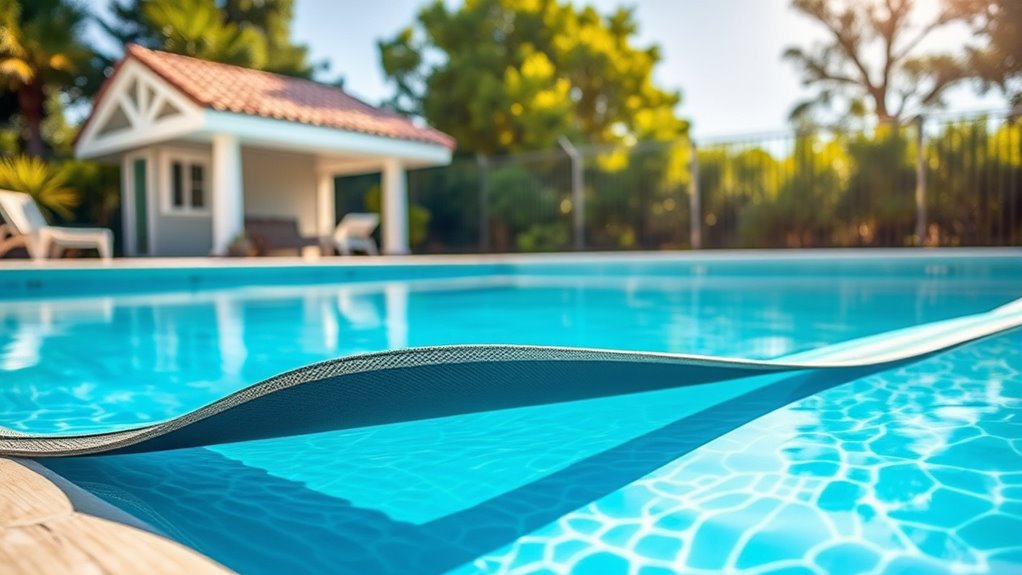
Premium factors play a significant role in determining how much you’ll pay for insurance as a pool owner. Your insurer considers several aspects, such as the size and type of your pool, its location, and your home’s overall value. For example, an in-ground pool typically costs more to insure than an above-ground pool because it presents greater risks. The proximity of your pool to your home and neighboring properties also matters—closer pools may increase the chance of accidents impacting multiple properties, which can raise premiums. Additionally, safety features like pool covers, alarms, and fencing can help lower your premium by reducing the risk of accidents and demonstrating responsible ownership. Your claims history, credit score, and even your neighborhood’s safety record are also factored into premium calculations. Implementing noise reduction technology in your pool area can also contribute to a safer environment and potentially influence insurance considerations.
It’s important to note that some insurance policies include specific exclusions related to pools, so you need to review the fine print carefully. Many providers require you to notify them when installing a pool and may increase your premium accordingly. Failing to disclose your pool can lead to denied claims or policy cancellations down the line. To manage costs, consider bundling your pool insurance with your homeowner’s policy, which can sometimes lead to discounts. Regular maintenance and safety upgrades not only make your pool safer but can also help keep your premiums in check. Remember, the goal is to balance adequate liability coverage with affordable premiums, so you’re protected without overspending. Being informed about the factors affecting your insurance costs allows you to make smarter choices, ensuring you enjoy your pool responsibly while safeguarding your finances.
Frequently Asked Questions
Do Pool Accessories Increase My Insurance Premiums?
Yes, pool accessories can increase your insurance premiums because they often require additional liability coverage. When you add items like slides, diving boards, or elaborate pool maintenance equipment, insurers see a higher risk of accidents or damage. To keep your premiums manageable, make sure your liability coverage is adequate and inform your insurer about any new accessories. Proper coverage helps protect you and keeps your policies up to date.
Are There Discounts for Safety Features Like Fences?
Did you know that homes with pool safety features can get insurance discounts of up to 10%? Yes, installing safety features like fences, alarms, or pool covers can lower your premiums. Insurance discounts for pool safety help protect your loved ones and your wallet. By prioritizing safety, you not only prevent accidents but also enjoy cost savings, making your pool experience safer and more affordable.
How Does Pool Size Affect Coverage Costs?
Your pool size impacts coverage costs because larger pools typically increase risk, leading to higher insurance premiums. When your pool is bigger, there’s more potential for accidents or damage, which insurers consider when setting rates. Keep in mind that smaller pools might lower your coverage costs, but safety features and location can also influence your premium. Always review your policy to make certain your pool size aligns with your coverage needs.
Is Outdoor Furniture Covered Under Pool Insurance?
Did you know outdoor furniture is often included in pool insurance policies? You should check your coverage, especially for pool maintenance and seasonal coverage, to see if your furniture is protected from theft, vandalism, or weather damage. This way, you don’t have to worry about replacing cherished pieces after a storm or break-in, keeping your outdoor space safe and enjoyable year-round.
What Incidents Are Typically Excluded From Coverage?
You should know that liability exclusions and equipment limitations often exclude coverage for certain incidents. For example, damage from neglect, wear and tear, or intentional acts usually aren’t covered. Additionally, equipment limitations might prevent coverage for issues caused by outdated or improperly maintained pool systems. Always review your policy carefully to understand what incidents are excluded, so you’re aware of potential gaps in your coverage and can take steps to mitigate risks.
Conclusion
Understanding your pool insurance costs ensures you’re prepared for the unexpected. Just like a sturdy umbrella in a storm, your coverage shields you from financial downpour. So, review your policy carefully, ask questions, and stay informed. After all, knowledge is your best defense against surprises—keeping your backyard oasis safe and your wallet intact. Immerse yourself in coverage confidently, knowing you’re protected from the unpredictable tides of life.