Using a variable-speed pump helps you save energy by adjusting its motor speed to match your system’s needs. Instead of running at full capacity all the time, it shortens or speeds up based on demand. This targeted approach means you pay less on utility bills and reduce your carbon footprint. Plus, it improves system efficiency and extends equipment life. Keep exploring to discover how these benefits can make a real difference for your operation.
Key Takeaways
- Variable-speed pumps adjust motor speed to match system demand, reducing energy use during low-demand periods.
- They optimize efficiency by preventing unnecessary high-speed operation, leading to significant energy and cost savings.
- Dynamic speed control minimizes waste and improves system stability, often achieving energy reductions of 30% or more.
- Long-term benefits include lower utility bills, extended equipment lifespan, and support for environmental sustainability.
- Selecting energy-efficient models and implementing variable-speed technology enhances overall system performance and reduces operational costs.
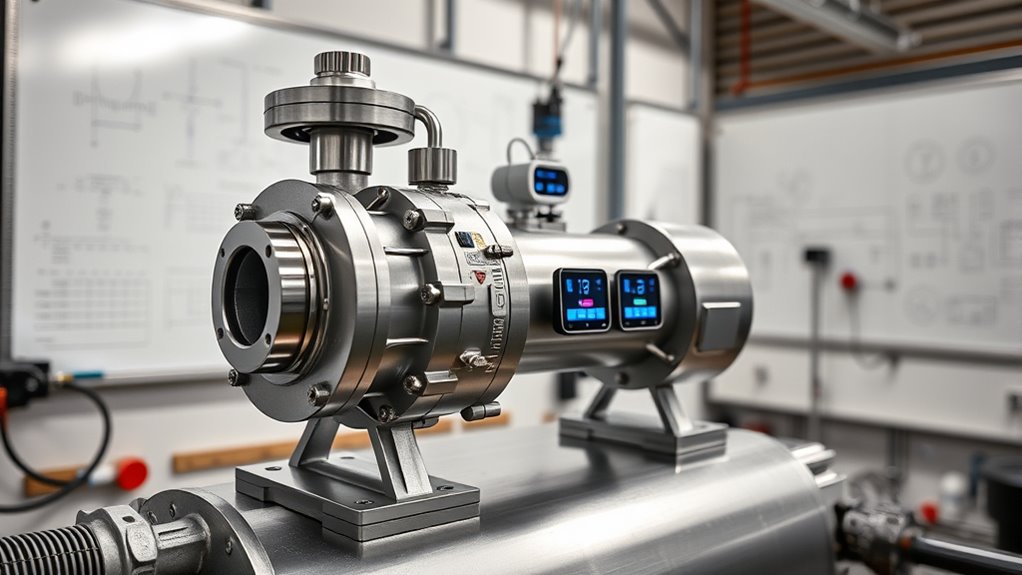
Variable-speed pumps can markedly reduce energy costs by adjusting their motor speed to match system demand, rather than running at full capacity all the time. This flexibility allows you to optimize pump operation, ensuring it uses only the energy necessary to meet the current load. When you choose a variable-speed pump, you’re investing in a system designed for superior pump efficiency, which directly translates to significant energy reduction over time. Instead of wasting power running a pump at full speed when only a fraction of that capacity is needed, the pump modulates its speed, providing just the right amount of flow. This targeted approach minimizes unnecessary energy consumption, leading to lower utility bills and a smaller carbon footprint.
The key to maximizing savings with variable-speed pumps is understanding how they enhance pump efficiency. When a pump operates at a constant high speed, it consumes more energy than required for low-demand periods, which results in wasted power. By contrast, variable-speed technology adjusts the motor’s speed in real time, matching the system’s actual needs. This adjustment means you’re not just saving energy; you’re improving the overall efficiency of the entire system. As the pump’s speed decreases, so does its power consumption, sometimes by quite a substantial margin. This dynamic adjustment ensures that energy isn’t wasted on unnecessary flow rates, and it helps extend the lifespan of the pump because it’s not subjected to unnecessary wear from running at full capacity all the time.
Implementing a variable-speed pump also helps you achieve better control and stability within your system. You can fine-tune operations to optimize performance, reducing fluctuations that might cause system stress or inefficiency. Over time, the cumulative effect of these efficiencies adds up, resulting in notable energy reduction. Many facilities find that their energy savings can reach 30% or more, simply by switching to variable-speed technology. Beyond immediate cost savings, these pumps contribute to environmental sustainability by decreasing overall energy demand. Additionally, selecting energy-efficient pump options can further enhance these savings and promote green practices.
Frequently Asked Questions
How Do Variable-Speed Pumps Impact Overall Energy Efficiency?
Variable-speed pumps considerably boost your overall energy efficiency by adjusting their speed based on demand. This leads to substantial energy savings because they only use as much power as needed, reducing waste. These efficiency improvements mean lower operating costs and less environmental impact. By implementing variable-speed pumps, you optimize system performance, cut energy consumption, and enjoy long-term savings while maintaining reliable, effective operation.
What Are the Maintenance Requirements for Variable-Speed Pumps?
Think of maintaining your variable-speed pump like tuning a fine instrument. You should regularly inspect the pump’s components, including bearings and seals, to guarantee ideal operation. Keep an eye on the pump’s lifespan and schedule preventative maintenance to avoid costly repairs. Proper upkeep reduces maintenance costs and prolongs its efficiency. Routine checks and timely part replacements ensure your pump runs smoothly, saving you money and avoiding unexpected breakdowns.
How Do Initial Costs Compare to Traditional Pumps?
Initial costs for variable-speed pumps are generally higher than traditional pumps, mainly due to advanced technology and controls. When you compare pumps, you’ll notice the upfront investment is greater, but the energy savings and efficiency gains can offset this over time. While traditional pumps might be cheaper initially, a pump comparison shows that variable-speed options often lead to lower operational costs and better long-term value.
Can Variable-Speed Pumps Be Integrated With Existing Systems Easily?
You can generally retrofit variable-speed pumps into existing systems with relative ease, thanks to their compatibility with many control systems. They’re designed for retrofit compatibility, allowing you to upgrade without major overhauls. Control system integration is straightforward, often involving simple adjustments or plug-and-play interfaces. This flexibility means you can enhance your system’s efficiency without extensive downtime, making variable-speed pumps a practical choice for modernizing your existing infrastructure.
What Are the Common Challenges in Implementing Variable-Speed Pump Technology?
Did you know that 60% of projects face installation challenges with variable-speed pumps? You might encounter issues like complex wiring or space constraints, making installation more difficult. Conducting a thorough cost benefit analysis helps justify the investment. Being aware of these common challenges allows you to plan better, address potential obstacles early, and guarantee smoother integration into your existing system, ultimately maximizing energy savings and operational efficiency.
Conclusion
By embracing variable-speed pumps, you open a world where energy savings flow like a gentle river, adapting seamlessly to your needs. As you shift from fixed speeds to dynamic control, imagine your utility bills shrinking like a leaf drifting downstream. This transformation isn’t just about numbers; it’s about creating a future where efficiency and sustainability bloom side by side. So, harness this technology and watch your savings grow like a well-watered garden in full bloom.