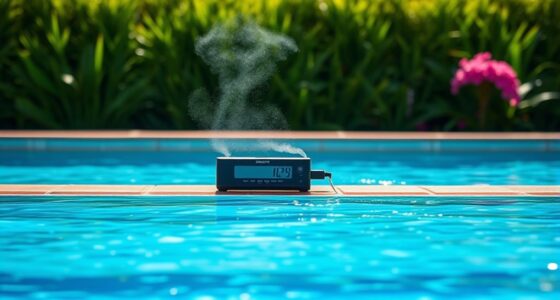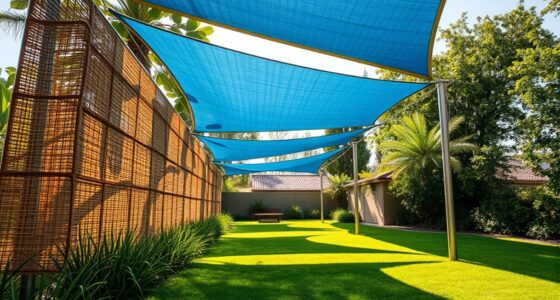
To assess your swimming pool’s environmental footprint, consider water use, energy consumption, and chemical management. Track how much water your pool needs for refills and evaporation, and explore options like covers to reduce waste. Evaluate energy efficiency of your pumps and heaters, and opt for solar options when possible. Proper chemical balancing also minimizes environmental harm. Staying mindful of these factors helps you reduce your pool’s ecological impact—continue to discover more ways to make your pool eco-friendly.
Key Takeaways
- Evaluate water consumption including initial fill, evaporation, and chemical balancing to measure water resource impact.
- Assess chemical use patterns and explore eco-friendly alternatives to minimize environmental contamination.
- Analyze energy consumption of pumps, heaters, and filtration systems, prioritizing energy-efficient and renewable options.
- Implement water-saving measures like pool covers and leak repairs to reduce overall resource depletion.
- Consider lifecycle environmental impacts, including manufacturing, operation, and maintenance of pool equipment and materials.
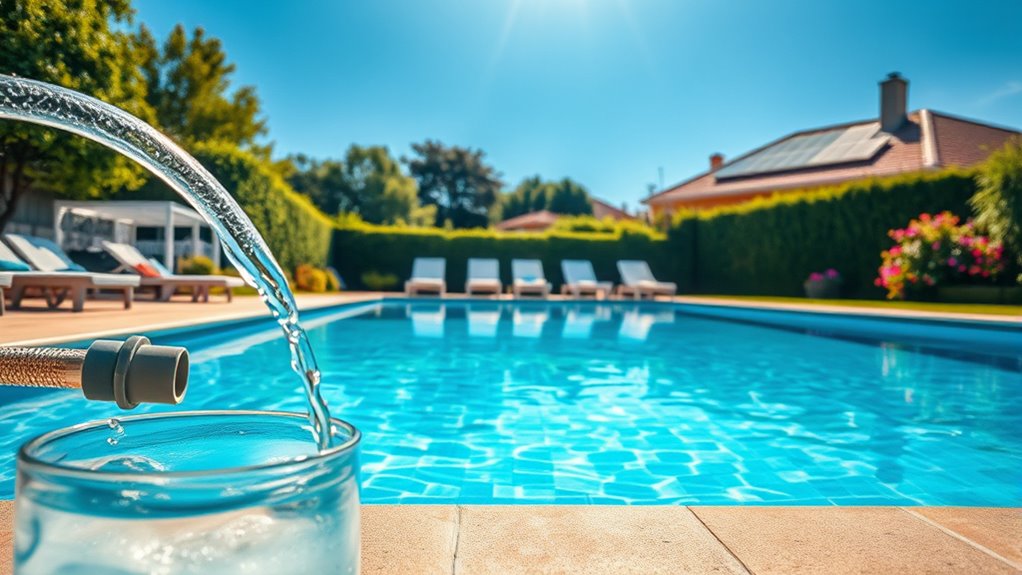
Swimming pools are often seen as relaxing escapes, but they can also have a significant environmental footprint. When you consider owning or maintaining a pool, it’s important to recognize how much water you might be using and the chemicals involved in keeping it safe and clean. Water conservation becomes a critical issue, especially in regions where water scarcity is a concern. Pools require a substantial amount of water to fill initially, and ongoing evaporation, splashing, and backwashing can result in frequent replenishments. If you’re not mindful, you could be wasting thousands of gallons each year, putting unnecessary strain on local water supplies. Installing features like pool covers can dramatically reduce evaporation, helping you conserve water and lower your environmental impact.
Chemical usage is another essential factor to assess. Maintaining proper water chemistry means adding chlorine, algaecides, pH adjusters, and other chemicals to prevent bacteria growth and keep the water clear. However, these chemicals can have unintended environmental consequences when they rinse into storm drains or groundwater. Excessive or poorly managed chemical use can harm aquatic life and disrupt local ecosystems. As a pool owner, you should regularly test water levels and use the appropriate amount of chemicals, avoiding over-application. Switching to eco-friendly alternatives or reducing chemical reliance altogether by incorporating natural sanitation methods can further lessen your pool’s environmental footprint.
Energy consumption also ties into this assessment. Pumps, heaters, and filtration systems operate for many hours, using significant amounts of electricity or fuel. Opting for energy-efficient equipment, such as variable-speed pumps or solar heaters, can cut down on your overall energy use. This not only reduces greenhouse gas emissions but also lowers your utility bills. When you think about the full lifecycle impact of your pool, it’s clear that conscious choices in water management, chemical use, and energy consumption are essential steps toward minimizing your environmental footprint. Additionally, choosing energy-efficient equipment can significantly contribute to sustainability.
Ultimately, being aware of how your pool impacts the environment empowers you to make smarter decisions. Simple measures like fixing leaks, maintaining proper chemical balance, installing covers, and choosing energy-efficient systems can make a big difference. By actively managing your pool’s water conservation and chemical usage, you’re not only protecting the environment but also ensuring your pool remains a sustainable source of relaxation for years to come. Conscious stewardship of your pool’s resources can turn it from an environmental concern into an example of responsible recreation.
Top picks for "assess environmental footprint"
Open Amazon search results for this keyword.
As an affiliate, we earn on qualifying purchases.
Frequently Asked Questions
How Can Pool Owners Reduce Chemical Usage Sustainably?
You can reduce chemical usage sustainably by switching to natural filtration systems like sand or biological filters, which lessen reliance on chemicals. Additionally, opt for biodegradable chemicals that break down easily and are less harmful to the environment. Regularly maintain your pool to minimize chemical needs, and consider using mineral sanitizers or UV systems to keep the water clean without excessive chemical use, making your pool greener and safer.
What Eco-Friendly Materials Are Best for Pool Construction?
When it comes to eco-friendly pool construction, you’re planting seeds for a greener future. Opt for eco-conscious building materials like recycled steel, bamboo, and reclaimed wood, which are sustainable choices. Additionally, using natural stone or environmentally friendly concrete can reduce your pool’s carbon footprint. These sustainable materials not only last longer but also blend seamlessly with nature, turning your backyard into a lush oasis that’s kind to the planet.
How Does Pool Maintenance Impact Local Water Sources?
Your pool maintenance impacts local water sources through increased water extraction, which can deplete regional supplies, and stormwater runoff, which may carry chemicals and pollutants into nearby waterways. Regularly topping off your pool uses significant water, and chemical treatments can contaminate stormwater if not managed properly. By conserving water, using eco-friendly chemicals, and maintaining your pool efficiently, you help protect local water sources from these negative effects.
Are Solar Covers Effective in Reducing Energy Consumption?
Think of your pool as a treasure chest, and the solar cover as a shield. Solar covers are quite effective in reducing energy consumption by trapping heat and boosting solar efficiency. A durable cover guarantees long-lasting performance, saving you money and energy over time. When you invest in a high-quality, durable cover, you protect your pool’s warmth, making solar energy work harder for you and lowering your energy bills effortlessly.
What Are the Long-Term Environmental Benefits of Green Pool Designs?
Green pool designs offer long-term environmental benefits by promoting eco-friendly landscaping, which reduces chemical use and minimizes runoff. You’ll also conserve water with strategies like rainwater harvesting and efficient filtration systems. These approaches lower your pool’s overall carbon footprint, helping preserve local ecosystems and reduce energy consumption. Over time, adopting green designs makes your pool more sustainable, saving you money and supporting a healthier environment for future generations.
Conclusion
Understanding the environmental impact of swimming pools helps you make smarter choices. While pools do consume energy and water, implementing eco-friendly practices like solar heating and efficient filtration can substantially reduce their footprint. By choosing sustainable options, you can enjoy your pool responsibly without harming the environment. So, embrace green swimming habits—they let you relax and have fun while protecting the planet for future generations. Immerse yourself with awareness and make a positive difference!