
In Germany, you need a building permit before installing a residential pool to meet local safety, environmental, and construction standards. You should check with your municipal authorities for specific rules, as requirements vary by region. Typically, larger or permanent pools require detailed plans, safety measures like fencing, and water treatment approvals. If you continue exploring, you’ll discover essential steps to guarantee your pool project complies fully with German regulations.
Key Takeaways
- In Germany, building permits for residential pools are required if the pool exceeds certain size or permanence thresholds.
- Local building authorities (Bauamt) must be consulted to determine specific permit regulations per region.
- Application typically involves submitting detailed plans, safety measures, and water treatment details for approval.
- Permits are generally mandatory for permanent or large pools, while small, portable pools may have relaxed requirements.
- Compliance with safety standards, fencing, and water treatment regulations is essential for permit approval.
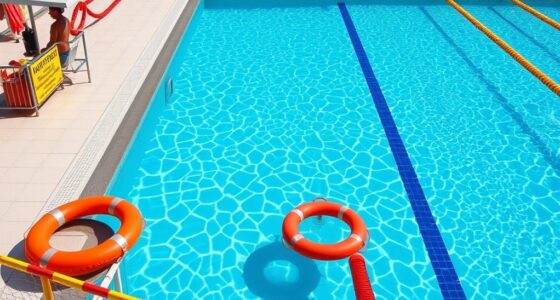
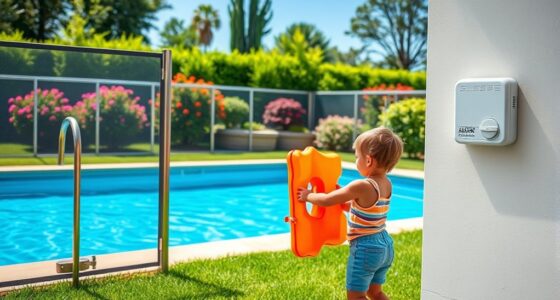
If you’re planning to build a pool in Germany, understanding the building permit requirements is crucial before starting construction. Securing the necessary permits helps guarantee your project complies with local regulations, avoids legal issues, and promotes safe, sustainable pool installation. One of the key considerations in this process involves adhering to pool safety standards. German regulations emphasize the importance of securing pools to prevent accidents, especially if children or pets are around. You might need to install fencing, cover the pool when not in use, or incorporate safety features like alarms. These measures are designed to reduce drowning risks and safeguard everyone on your property.
Building a pool in Germany requires safety features to prevent accidents and protect children and pets.
In addition to safety features, water treatment plays a significant role in the approval process. Proper water treatment is not only indispensable for maintaining water quality but also for meeting environmental and health standards mandated by local authorities. You’ll need to plan for appropriate filtration systems, chlorination or other disinfectants, and regular maintenance routines to keep the water clean and safe. Authorities often require proof that your water treatment setup complies with regulations, ensuring your pool doesn’t pose health hazards or environmental concerns.
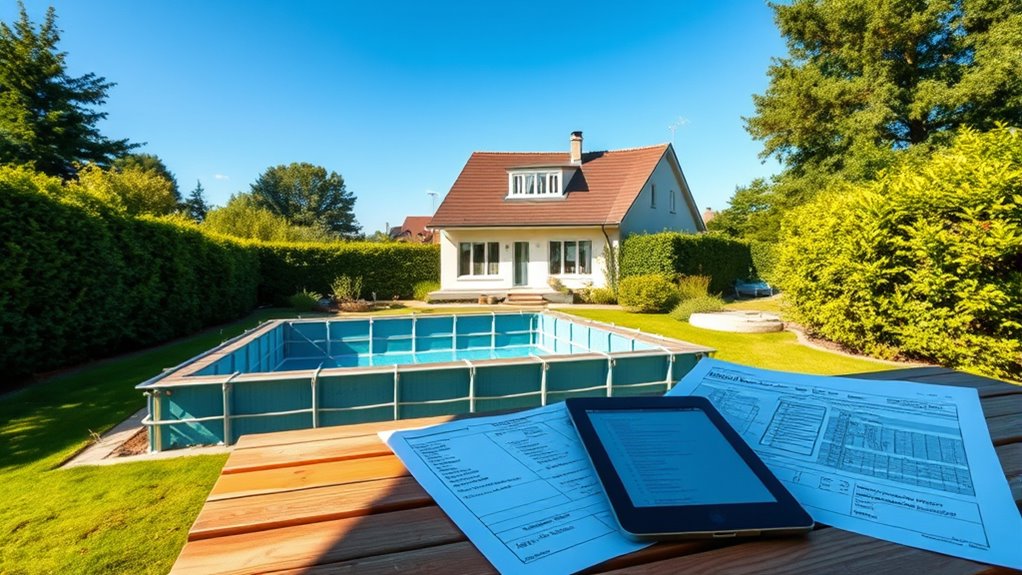
Before applying for a permit, you should consult your local building authority or municipal office, as regulations can vary between regions. They will review your pool plans, including size, location, and safety measures, to determine if they meet all legal standards. You may need to submit detailed drawings, safety plans, and water treatment specifications. Additionally, some regions may have restrictions based on the pool’s proximity to property boundaries, utility lines, or protected areas. It’s wise to verify these requirements early to avoid delays or costly modifications later.
Keep in mind that certain pool types, such as permanent structures or those exceeding specific dimensions, are more likely to require detailed permits. Smaller, portable pools might have relaxed rules, but always double-check local regulations to confirm. If you plan to include features like lighting, heating, or diving boards, these could also influence permit requirements. Remember, obtaining the proper approval not only keeps you compliant but also ensures your pool is safe for everyone. Proper water treatment and safety measures should be integral parts of your planning, aligning with regulations to promote a secure, enjoyable swimming experience at your home in Germany. Additionally, understanding the building permit requirements can help you efficiently navigate the bureaucratic process and ensure your project is completed without unnecessary delays.
Frequently Asked Questions
Are Temporary Pool Installations Subject to Permits in Germany?
Temporary pool installations in Germany usually don’t need permits, thanks to permit exemptions for short-term setups. However, if you plan to keep your pool installed for an extended period or make significant modifications, you should check local regulations. It’s best to contact your municipal authorities to confirm whether your temporary installation qualifies for permit exemptions or if you need to apply for a permit to avoid potential legal issues.
How Do Local Regulations Vary Between German Federal States?
Think of Germany’s regional building codes like a patchwork quilt—each federal state stitched with its own rules. Some states treat small, temporary pools like backyard treasures, offering permit exemptions, while others demand permits for almost everything. You need to check local regulations closely, because what’s a simple splash in one state might require a full permit in another. Staying informed helps you navigate these regional differences smoothly.
What Are the Consequences of Building a Pool Without a Permit?
If you build a pool without a permit, you risk permit violations that can lead to serious legal penalties. Authorities may order you to dismantle or modify the pool, and you could face fines or legal action. Ignoring permit requirements jeopardizes your property’s legality and can cause costly delays or issues when selling your home. Always obtain the necessary permits to avoid these consequences and guarantee your pool complies with local regulations.
Do Permit Requirements Differ for Above-Ground vs. In-Ground Pools?
Yes, permit requirements can differ for above-ground and in-ground pools. Above-ground pools often face fewer restrictions, but you still need to take into account pool height and material restrictions, which may impact permit necessity. In-ground pools typically require more extensive permits due to their size and impact on property structure. Always check local regulations, as rules vary and ignoring them could lead to fines or removal.
Is Professional Consultation Required for Permit Applications?
Ever wondered if you need a professional for your permit application? Usually, you don’t have to hire one, but consulting a local expert can help guarantee your pool’s construction meets safety standards and minimizes unexpected costs. Professional guidance can streamline the process, saving you time and money while making sure your pool complies with all regulations. Isn’t having peace of mind worth a small investment?
Conclusion
Mastering pool permits in Germany might feel like decoding a secret code, but don’t worry—you’re more than capable of cracking it! By understanding the rules, submitting the right documents, and respecting local regulations, you’ll turn your backyard into a paradise faster than you can say “summer fun.” Remember, skipping permits could turn your dream pool into a bureaucratic nightmare. Stay informed, be prepared, and soon you’ll be swimming in your perfect oasis without a hitch!