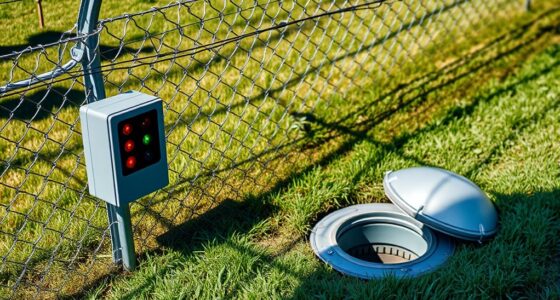
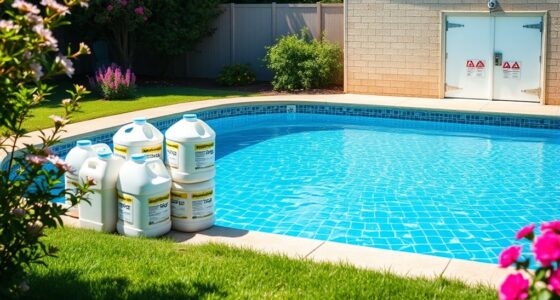
To teach your kids about water safety, start by setting clear rules like staying within designated areas and never swimming alone. Always supervise closely and guarantee they wear properly fitted, Coast Guard-approved life jackets. Reinforce safety habits regularly, teaching them how to use equipment correctly and understand water dangers. By consistently practicing these steps, you’ll build their awareness and confidence around water. Keep going for more tips to help you confidently protect your children during water activities.
Key Takeaways
- Consistently teach children water safety rules, such as staying within supervised areas and not swimming alone.
- Always supervise children closely during water activities, regardless of their swimming ability.
- Ensure children wear properly fitted, Coast Guard-approved life jackets around open water.
- Educate kids on how to recognize hazards and ask for help if they feel unsafe or tired.
- Make water safety a routine part of activities to instill lifelong safety habits and awareness.
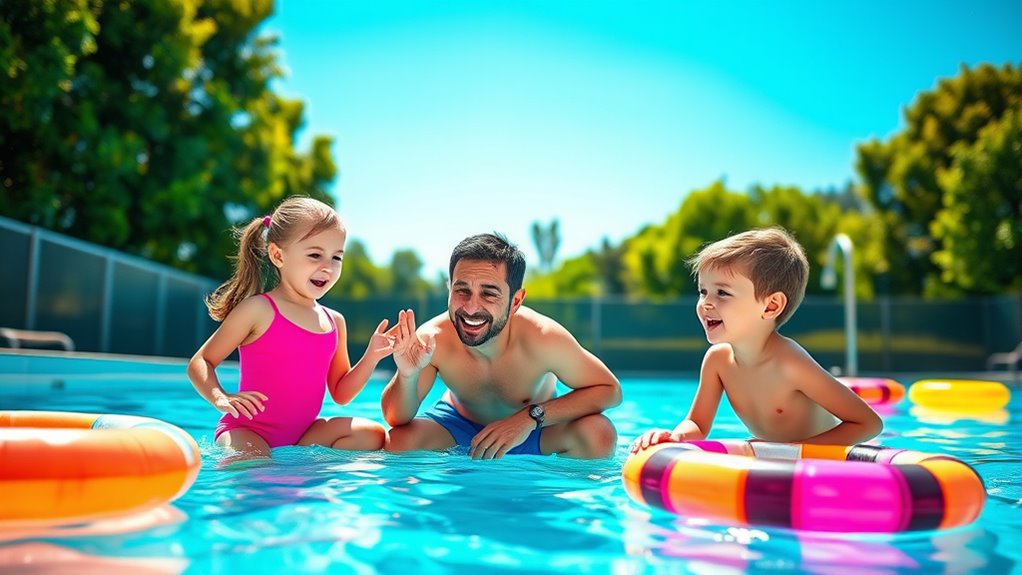
Have you ever wondered how to guarantee your children stay safe around water? Ensuring their safety involves more than just keeping a close eye; it requires proactive measures like drowning prevention and proper life jacket use. These are essential tools in your child’s water safety toolkit, especially as they grow more curious and confident around pools, lakes, or the ocean.
Drowning prevention starts with education. Teach your kids to always stay within designated swimming areas and never venture into water alone. Make sure they understand how quickly water accidents can happen, even in shallow pools or bathtubs. Emphasize the importance of never running near the pool or water’s edge to prevent slips and falls. Reinforce that they should always ask for an adult’s help if they’re unsure about swimming or if they’re feeling tired or uncomfortable in the water. You can also introduce safety rules early, like no swimming without supervision and staying close to an adult when near water. Consistent rules and reminders help instill a safety-first mindset.
Equally essential is the correct use of life jackets. When your children are around open water or engaging in water activities, always ensure they wear a life jacket that fits properly. A life jacket provides buoyancy and keeps them afloat if they accidentally fall in or become tired. Never substitute a life jacket for supervision—think of it as an added layer of safety, not a free pass to relax. Check that the life jacket is Coast Guard-approved, fits snugly, and is appropriate for your child’s weight and size. Teach your kids how to put on their life jacket correctly and remind them that it should be worn whenever they’re near water, even if they’re good swimmers. Making life jacket use a routine part of water outings helps normalize safety habits and minimizes panic if an emergency occurs.
Frequently Asked Questions
How Can I Teach Water Safety to Non-Swimmers Effectively?
You can teach non-swimmers water safety by debunking common water safety myths and emphasizing that even young children need to understand basic rules. Start with age-appropriate skills like floating and safe entry, then practice them regularly. Use clear, simple instructions and supervise closely. Reinforce the importance of never swimming alone, and always stay within reach, so your child learns safety habits that last a lifetime.
What Are Signs My Child Is Ready for Swim Lessons?
Your child’s readiness for swim lessons is like a spark igniting a fire—exciting and essential. Look for signs of physical readiness, such as the ability to float or kick, and emotional comfort around water. If your child shows curiosity, stays calm during water play, and can follow simple instructions, they’re likely ready. Trust your instincts, and remember, patience helps them build confidence at their own pace.
How Do I Handle Water Safety During Family Vacations?
During family vacations, you handle water safety by establishing clear water safety routines, like always supervising your kids closely and not letting them swim alone. Keep emergency preparedness in mind by having a phone nearby, knowing CPR, and familiarizing yourself with the local water conditions. Set consistent rules, like no running near pools and wearing life jackets when needed, to keep everyone safe and enjoy your trip worry-free.
What Safety Equipment Is Essential for Young Children?
You should always have appropriate flotation devices like life jackets or arm floaties, which are vital for young children around water. Safety gates are also indispensable to keep kids away from pools when unsupervised. Always make certain these safety equipment pieces are in good condition and properly fitted. By actively using floatation devices and safety gates, you create a safer environment, giving you peace of mind and keeping your children protected from water-related accidents.
How Can I Prevent Water Accidents in My Backyard Pool?
You can prevent water accidents by installing a secure pool fencing that surrounds your backyard pool, creating a physical barrier no child can easily bypass. Additionally, always use pool covers when the pool isn’t in use, especially during unsupervised times. These measures work together, keeping kids safe by reducing access and preventing accidental falls. Regularly check these safety devices to guarantee they remain effective and in good condition.
Conclusion
Think of teaching your kids about water safety as planting seeds in a garden. With your guidance, patience, and attention, those seeds will grow into strong, confident swimmers who can navigate any waters safely. Remember, you’re the gentle gardener nurturing their skills and awareness. By investing time now, you’re cultivating a future where your children can enjoy water activities while staying safe—turning potential hazards into opportunities for growth and trust in their abilities.