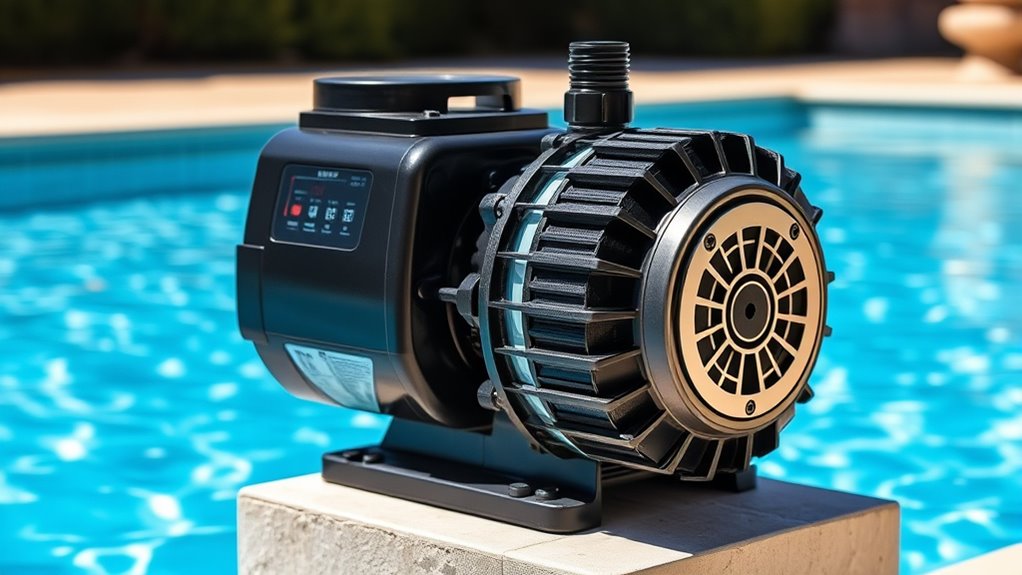
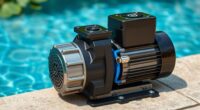
Choosing a variable speed pool pump with 30 HP capacity involves balancing power, energy efficiency, and compatibility. Among the top picks, the Aquastrong 3 HP model stands out for its high flow and adjustability, making it ideal for larger pools or demanding circulation needs. The Pentair SuperFlo 1.5 HP offers seamless automation and durability for those prioritizing long-term reliability, but it may fall short in raw power. Meanwhile, the Aquastrong 1.5 HP pump provides an energy-efficient solution for smaller pools or budget-conscious buyers, though it offers less flow than higher horsepower options. These choices reflect different priorities: maximum performance, automation features, or cost savings—each with their own tradeoffs.

Get pool and patio gear delivered free with Prime
- Fast, free delivery on millions of items
- Prime Video, Amazon Music and more included
- Member-only deals all year
Complete the kit


Key Takeaways
- Higher horsepower models (like 3 HP) deliver greater flow but tend to cost more and consume more energy.
- Energy efficiency remains a key benefit across all options, with savings up to 80% compared to single-speed pumps.
- Compatibility with in-ground and above-ground pools is common, but power supply requirements can limit portability.
- Features such as self-priming and integrated filters simplify maintenance, especially for larger or complex setups.
- Initial investment varies significantly, with higher horsepower and automation features driving up upfront costs.


| variable speed pool pump 30 hp | Horsepower | Voltage | Flow Rate | Max Head |
|---|---|---|---|---|
| Aquastrong Variable Speed Pool | 2 HP | 220V | 10566 GPH | 75 ft |
| Aquastrong Variable Speed Pool | 3 HP | 220V | 11359 GPH | 80 ft |
| Aquastrong Variable Speed Pool | 1.5 HP | 220V | 8189 GPH | 65 ft |
| Pentair EC-342001 SuperFlo VS | 0.5 hp | 230 volts | 112 gpm | 5 meters |
More Details on Our Top Picks
Aquastrong Variable Speed Pool Pump, 2 HP, 220V, 10566 GPH, In/Above Ground, Energy Efficient, High Flow, Self Priming with Filter Basket
This 2 HP model excels in providing high flow rates of over 10,500 GPH, making it suitable for larger pools or demanding circulation tasks. It stands out for its energy-efficient design, reducing power consumption significantly, which helps offset its higher initial cost. Compared to higher horsepower options, it offers less raw power but remains versatile with adjustable speeds from 1200 to 4000 RPM. Its compatibility with both in-ground and above-ground pools, coupled with features like self-priming and a filter basket, simplifies maintenance. However, it requires a 220V power supply, limiting portability, and its price is higher than single-speed equivalents.
Pros:- Energy-saving design reduces power consumption by up to 80%
- Customizable speed and timing for efficient circulation
- Compatible with both in-ground and above-ground pools
- Includes filter basket and self-priming feature
Cons:- Requires 220V power supply, limiting portability
- Higher initial cost compared to single-speed pumps
Best for: Larger pools or owners seeking flexible, high-capacity circulation with energy savings
Not ideal for: Buyers with limited electrical capacity or smaller pools needing less flow
- Horsepower:2 HP
- Voltage:220V
- Flow Rate:10566 GPH
- Max Head:75 ft
- Discharge Size:1.5″ or 2″ PVC
- Current:7.2A
Our verdict“A strong choice for larger pools demanding high flow and energy efficiency, with some limitations in power supply compatibility.”
Aquastrong Variable Speed Pool Pump, 3 HP, 220V, 11359 GPH, In/Above Ground, Energy Efficient, High Flow, Self Primming with Filter Basket
This 3 HP pump pushes flow over 11,000 GPH, making it ideal for very large pools or pools with complex circulation needs. Its energy-efficient design allows for significant savings, and with adjustable speeds from 1200 to 4000 RPM, it offers flexible control. It shares many features with the 2 HP model, including self-priming and compatibility with in-ground and above-ground pools. The higher horsepower means a higher initial investment and increased energy use, but the performance gains are substantial for demanding setups. It also requires a 220V supply and comes with a price premium.
Pros:- Energy-saving design reduces power consumption by up to 80%
- High flow rate supports demanding pool requirements
- Flexible speed control and compatibility
- Self-priming with filter basket
Cons:- Requires 220V power supply, limiting regional compatibility
- Higher initial cost compared to lower horsepower models
Best for: Owners of large or complex pools requiring maximum flow and efficiency
Not ideal for: Smaller pools or buyers with limited electrical capacity
- Horsepower:3 HP
- Voltage:220V
- Flow Rate:11359 GPH
- Max Head:80 ft
- Discharge Size:1.5″ or 2″
- Current:9.5A
Our verdict“Best suited for large or demanding pools where maximum flow and efficiency justify the investment.”
Aquastrong Variable Speed Pool Pump, 1.5 HP, 220V, 8189 GPH, In/Above Ground, Energy Efficient, High Flow, Self Priming with Filter Basket
This 1.5 HP pump offers a more modest flow rate, suitable for smaller pools or those prioritizing energy savings over maximum flow. It features adjustable speeds from 1200 to 4000 RPM, making it versatile enough for various pool sizes. Its energy-efficient technology reduces power consumption significantly, and the inclusion of a filter basket and self-priming design simplifies maintenance. While it’s easier to install and costs less upfront, it may struggle to meet the needs of larger, more demanding pools, and its lower horsepower limits its overall flow capacity.
Pros:- Energy-efficient, reducing power consumption by up to 80%
- Adjustable speeds for tailored operation
- Easy installation and maintenance
- Compatible with in-ground and above-ground pools
Cons:- Lower flow rate limits its use for large pools
- Requires electrical connection and proper setup
Best for: Small pool owners or budget-conscious buyers seeking energy efficiency
Not ideal for: Large pools or those needing high flow for heavy circulation
- Horsepower:1.5 HP
- Voltage:220V
- Flow Rate:8189 GPH
- Max Head:65 ft
- Discharge Size:1.5″ or 2″
- Current:5A
Our verdict“A practical, budget-friendly option for small pools, emphasizing energy savings over high flow capacity.”
Pentair EC-342001 SuperFlo VS Variable Speed Pool Pump, 1.5 HP
The Pentair SuperFlo VS, with its 1.5 HP capacity, prioritizes seamless integration with automation systems and long-term durability. Its digital controls and programmable speeds simplify operation, making it a favorite for those who want reliable automation features. While it offers excellent energy efficiency and a sturdy TEFC motor, its flow rate is lower compared to the higher horsepower models, and it may lack the raw power needed for very large pools. Its higher cost also reflects its automation capabilities and build quality rather than raw performance.
Pros:- Energy-efficient variable speed operation
- Durable TEFC motor design
- Seamless integration with automation systems
- Programmable speeds with digital control
Cons:- Limited detailed user reviews available
- Higher initial cost compared to basic pumps
- Flow rate lower than larger horsepower models
Best for: Buyers seeking automation, durability, and seamless system integration
Not ideal for: Large pools requiring high flow or those on a tight budget
- Power Source:Corded Electric
- Flow Rate:112 gpm
- Max Head:5 meters
- Voltage:230 volts
- Horsepower:0.5 hp
- Material:Plastic
- Color:Tan
Our verdict“Ideal for homeowners who value automation and durability over maximum flow, especially in smaller or well-integrated systems.”

How We Picked
Our selection process focused on pumps that deliver reliable variable speed performance around the 30 HP mark, emphasizing energy efficiency, flow capacity, and compatibility. We compared technical specs like flow rate, head height, and power consumption, alongside practical features such as self-priming, ease of installation, and warranty coverage. Cost was also a consideration, balancing upfront expenses with long-term savings. Finally, we prioritized models with solid user reviews and manufacturer reputation to ensure each pump offers durability and value for different pool sizes and needs.
Factors to Consider When Choosing Variable Speed Pool Pump 30 Hp
Selecting a variable speed pool pump with 30 HP involves understanding your pool size, circulation needs, and energy considerations. The key is balancing flow rate, power requirements, and budget. Larger or more demanding pools benefit from higher horsepower models, but these typically come with increased energy costs. For most residential pools, focusing on energy efficiency and automation features can deliver long-term savings and convenience. Compatibility with your electrical setup and ease of maintenance should also influence your decision, especially for DIY installation or ongoing upkeep.Power and Flow Rate
The core metric for choosing a pool pump is its horsepower and corresponding flow rate. Higher horsepower pumps like the 3 HP models deliver more than 11,000 GPH, suitable for large or complex pools. Conversely, 1.5 HP models are better suited for smaller pools or where energy savings are a priority. Matching your pool size with the pump’s flow capacity ensures efficient circulation without overpaying for unnecessary power.
Energy Efficiency and Cost
Variable speed pumps are designed to reduce energy costs by adjusting their operation based on demand. Models claiming up to 80% savings can significantly lower electricity bills over time. Yet, higher horsepower pumps tend to have higher upfront costs and slightly increased ongoing energy use. It’s important to evaluate your long-term savings versus initial investment, especially if you plan to operate the pump frequently or for extended periods.
Features and Compatibility
Look for features like self-priming, adjustable timers, and filter baskets that simplify maintenance and operation. Compatibility with your pool type—whether in-ground or above-ground—also matters. For automation integration, models like the Pentair SuperFlo VS provide digital controls and programmable speeds, ideal for tech-savvy owners or those with existing automation systems. Electrical requirements are another consideration, as some models need 220V or specific wiring setups.
Frequently Asked Questions
How does a variable speed pool pump save energy?
A variable speed pool pump adjusts its motor speed based on circulation needs, rather than running at full power constantly. Running at lower speeds for longer periods can significantly reduce energy consumption—up to 80% in some cases—compared to single-speed pumps. This flexibility allows for more efficient filtration and circulation, especially during routine maintenance or light usage periods.
Is a 30 HP pool pump necessary for most pools?
In most residential settings, a 30 HP pump is more power than necessary. Pumps in the 1.5 to 3 HP range typically provide sufficient flow for standard pools. Higher horsepower models are better suited for very large or commercial pools with complex circulation needs. Oversizing a pump can lead to unnecessary energy costs and equipment wear, so matching your pool size with the pump’s capabilities is important.
What are the main benefits of a self-priming pool pump?
A self-priming pump simplifies installation and startup because it can evacuate air from the system automatically. This feature reduces the need for manual priming and makes it easier for DIY owners to set up the pump. It also ensures consistent operation and reduces the risk of dry running, which can damage the motor or reduce efficiency over time.
How do I determine the right flow rate for my pool?
To determine the appropriate flow rate, consider the volume of your pool and the desired turnover rate—how often the entire volume is circulated. A common recommendation is to pump the pool’s volume through the filtration system at least once every 8-12 hours. For example, a 20,000-gallon pool would need a pump capable of at least 1,667 GPH to meet this standard. Matching the flow rate to your pool size helps maintain water clarity and quality efficiently.
Are automation features worth the extra cost?
Automation features can add convenience by allowing you to schedule and control the pump remotely or integrate it with your pool system. If you value ease of use, energy management, and system integration, these features can justify the higher upfront cost. For owners with complex pools or those seeking long-term convenience, automation delivers significant benefits, but for simple setups, manual control may suffice.
Conclusion
For larger or demanding pools, the 3 HP models offer superior flow and performance, making them suitable for owners prioritizing capacity. Buyers focused on long-term savings and automation should consider models like the Pentair SuperFlo VS, especially if system integration matters. Smaller pool owners or those on a budget will find the 1.5 HP options to be more than sufficient, emphasizing energy efficiency and affordability. Ultimately, matching your pool size, usage patterns, and electrical setup with the right pump will ensure optimal performance and value.
Fall Picks
fall essentials
As an affiliate, we earn on qualifying purchases.