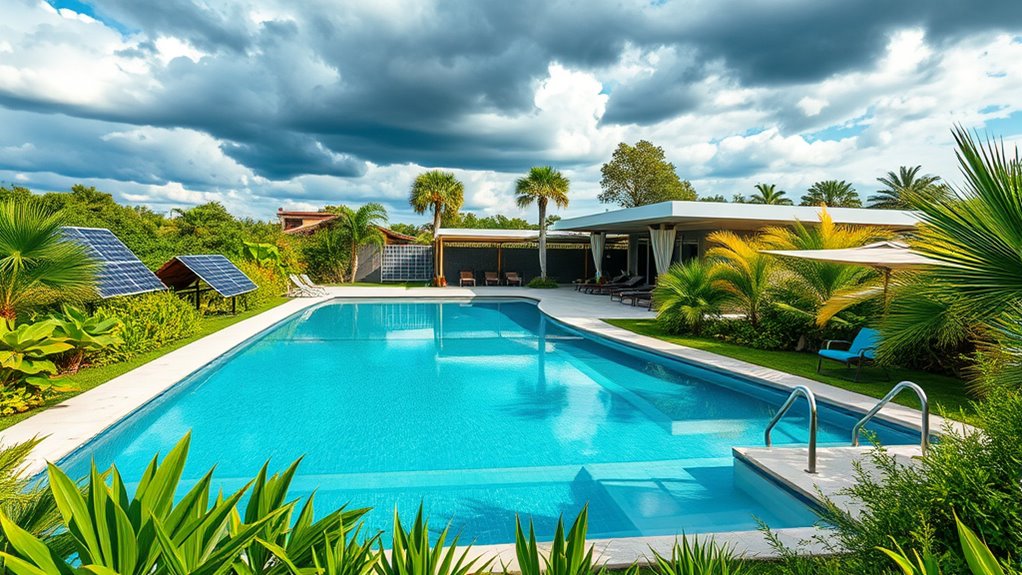

To design pools that stand up to future weather extremes, you should focus on proactive climate adaptation strategies. Incorporate stormwater management features like permeable surfaces, retention basins, and proper drainage to prevent flooding. Use durable, weather-resistant materials and elevate structures to reduce flood risks. Adding adaptable features like solar covers and green infrastructure helps regulate temperature and manage stormwater. By planning for these future challenges now, you can create resilient outdoor spaces that last—discover how to make it work best.

Get pool and patio gear delivered free with Prime
- Fast, free delivery on millions of items
- Prime Video, Amazon Music and more included
- Member-only deals all year
Key Takeaways
- Incorporate stormwater management features like permeable surfaces and retention basins to handle heavy rains effectively.
- Use durable, weather-resistant materials and elevate pool structures to reduce flood risk and withstand severe weather.
- Integrate shading, solar covers, and cooling features to adapt to temperature fluctuations and minimize water evaporation.
- Design flexible outdoor spaces that can accommodate future climate challenges, ensuring functionality and safety.
- Prioritize resilient infrastructure and green infrastructure to protect pools and surrounding areas from climate-related impacts.
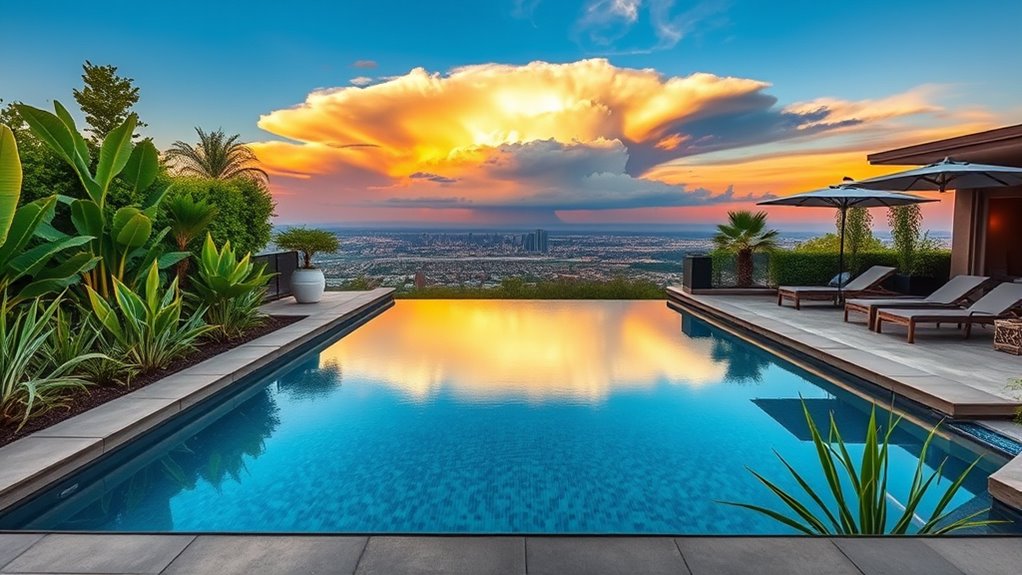
Have you ever wondered how communities can survive and thrive despite the escalating impacts of climate change? One key to this resilience is proactive planning, especially when it comes to designing pools and outdoor spaces that can withstand future weather extremes. As storms become more intense and unpredictable, effective stormwater management becomes critical. When heavy rains hit, poorly designed pools and surrounding infrastructure can lead to flooding, property damage, and safety hazards. To prevent this, you need to incorporate stormwater management strategies into your plans. This involves creating permeable surfaces around pools, installing adequate drainage systems, and utilizing retention basins to control runoff. These measures help prevent water from overwhelming your property and protect the surrounding environment from pollution and erosion caused by excess runoff.
Beyond managing stormwater, focusing on infrastructure resilience is essential. Resilient infrastructure is designed to endure severe weather conditions without losing functionality. When you’re planning pools for future weather, you should consider elevating the pool structures or building them with durable, weather-resistant materials. Reinforcing pool decks and fencing can also prevent damage during storms. Additionally, integrating backup power systems ensures that pumps and filtration systems continue working during outages, maintaining safety and water quality. This kind of foresight doesn’t just protect your investment; it also enhances the safety of everyone using the space during extreme weather events. Incorporating stormwater management strategies from trusted sources can further strengthen your plans and ensure long-term resilience.
Design resilient pools with durable materials, reinforced decks, and backup power to ensure safety during extreme weather.
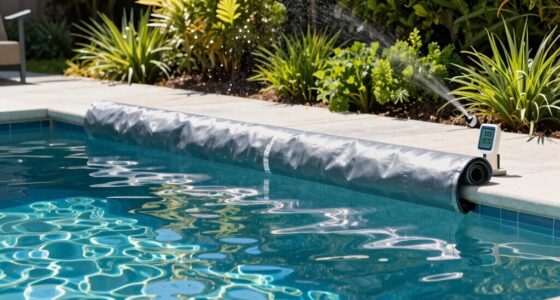
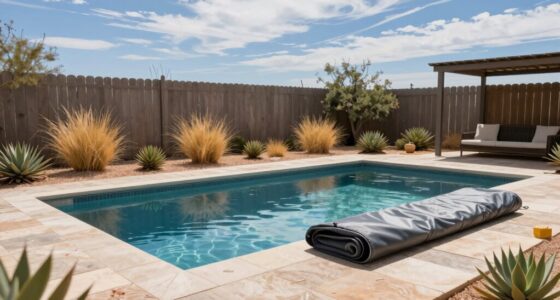
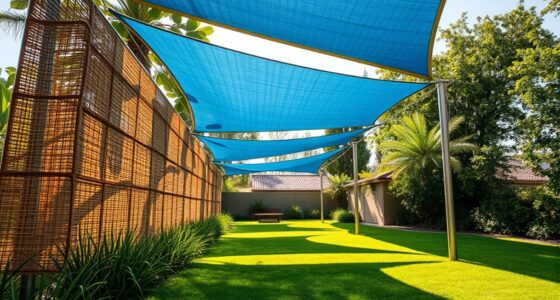
Climate change isn’t just about more rain; it also means longer droughts and fluctuating temperatures. This variability calls for adaptable pool designs that can handle a range of conditions. For example, installing solar covers or shade structures can help regulate water temperature and reduce evaporation during hot spells. Incorporating rain gardens and green infrastructure around pools can also serve dual purposes—managing stormwater and cooling the surrounding environment. These features contribute to overall infrastructure resilience by reducing the strain on drainage systems and lowering energy use.
Planning for future weather patterns requires a shift in how you approach outdoor design. It’s no longer enough to build for today’s conditions; you need to anticipate tomorrow’s challenges. By prioritizing stormwater management and infrastructure resilience, you safeguard your property and create a sustainable, enjoyable space regardless of what climate change throws your way. This proactive mindset not only protects your investment but also helps foster stronger, more adaptable communities that can face the uncertain weather of the future with confidence.
stormwater management permeable pavers
As an affiliate, we earn on qualifying purchases.
As an affiliate, we earn on qualifying purchases.
Frequently Asked Questions
How Can Pools Be Designed to Withstand Extreme Weather Events?
To make your pool withstand extreme weather, you should incorporate pool shading to protect against intense sun and heat, reducing structural stress. Also, implement erosion control measures like reinforced edges and proper drainage to prevent damage from heavy rains or flooding. Regular inspections and using durable, weather-resistant materials help guarantee your pool stays resilient during unpredictable weather events. These steps keep your pool safe and functional long-term.
What Materials Are Best for Climate-Resilient Pool Construction?
You should opt for durable, weather-resistant materials like reinforced concrete, fiberglass, or saltwater-compatible composites for your pool. These materials withstand extreme weather and temperature fluctuations better than traditional options. Using advanced construction techniques, such as waterproof membranes and corrosion-resistant coatings, further enhances resilience. Invest in high-quality pool material selection to guarantee longevity and safety, especially as climate change increases the likelihood of severe weather, making your pool more adaptable for future conditions.
How Do Future Temperature Changes Affect Pool Water Treatment?
Future temperature changes can cause significant temperature fluctuations in your pool water, impacting its chemistry. You’ll need to make chemical adjustments more frequently, like balancing pH and chlorine levels, to prevent issues like algae growth or corrosion. Warmer temperatures speed up chemical reactions, so staying vigilant and testing your water regularly guarantees proper treatment. By adapting your maintenance routine, you can keep your pool safe and clean despite changing weather conditions.
Are There Eco-Friendly Pool Options for Changing Climates?
Yes, you can choose eco-friendly pool options for changing climates. Opt for natural filtration systems that reduce chemical use and energy consumption. Incorporate solar heating to harness renewable energy, lowering your carbon footprint. These options are sustainable, cost-effective, and help your pool adapt to future weather patterns. By making these choices, you support environmental health and enjoy a more eco-conscious swimming experience that aligns with changing climate conditions.
What Maintenance Adjustments Are Needed Due to Climate Change?
Did you know that rising temperatures can increase algae growth by 30%? To adapt, you’ll need to adjust your maintenance routines. Regularly check and balance chemicals to prevent algae and guarantee safe water. You might also need to increase filtration and sanitation frequency to handle higher temperatures. These adjustments help maintain clear, healthy water while preventing algae buildup, making your pool more resilient to climate fluctuations.
weather-resistant pool materials
As an affiliate, we earn on qualifying purchases.
As an affiliate, we earn on qualifying purchases.
Conclusion
While designing pools for future weather might seem costly or unnecessary, it’s essential for your safety and enjoyment. By planning for extreme heat, droughts, or heavy storms, you ensure your investment remains functional and safe. Some may think these measures are overkill, but proactive adaptation protects you from unpredictable weather patterns. Embracing thoughtful design now means less worry later, allowing you to enjoy your pool confidently, no matter what climate challenges come your way.
As an affiliate, we earn on qualifying purchases.
As an affiliate, we earn on qualifying purchases.
Halloween Picks
halloween
As an affiliate, we earn on qualifying purchases.