
TL;DR

Get pool and patio gear delivered free — and shop member deals
- Fast, free delivery on millions of items
- Access to Prime Big Deal Days deals on October 6–7
- Prime Video, Amazon Music and more included
Automatic pool vacuum cleaners remove debris, but they do not sanitize water or replace testing, circulation, and brushing. Compare suction-side, pressure-side, and robotic models against your pool surface, debris, equipment, cleaning coverage, upkeep, and total operating costs.
A pool can look clear from the patio and still hide a gritty layer of sand underfoot. An automatic pool vacuum cleaner can collect that debris while you spend less time pushing a manual vacuum around—but it cannot take over every part of pool care.
This guide explains the three main cleaner types, what they pick up, and how to match one to your pool’s shape, surface, and existing equipment. You’ll also learn what to check before buying, how to avoid common assumptions, and why a cleaner is only one part of keeping a pool clean.
Think of a cleaner as a helpful crew member, not the whole crew. It gathers debris; you still manage water chemistry, circulation, and the spots it misses. That difference can save you from buying a machine that looks impressive in a product listing but struggles in your pool.
Compare suction-side, pressure-side, and robotic cleaners by their power source and equipment needs, not by category name alone.
Confirm surface compatibility, pool dimensions, hose or cable reach, and step and wall coverage before purchasing.
Choose filtration and intake capacity for the debris you actually get, from fine sand to large leaves.
Treat a pool cleaner as a debris-removal tool; keep testing water, maintaining circulation, emptying baskets, and brushing missed areas.
Check the filter, intake, hose, or cable regularly, and follow the model’s swimming and storage instructions.
See what each automatic pool vacuum cleaner type actually does
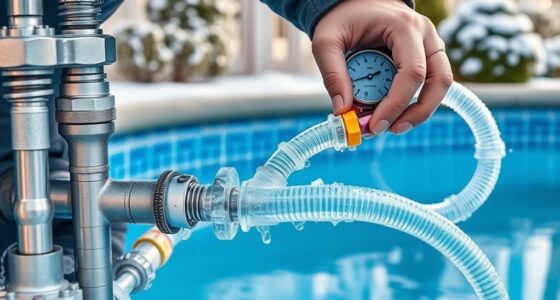
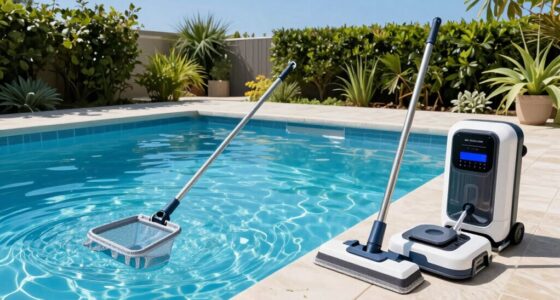
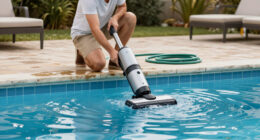
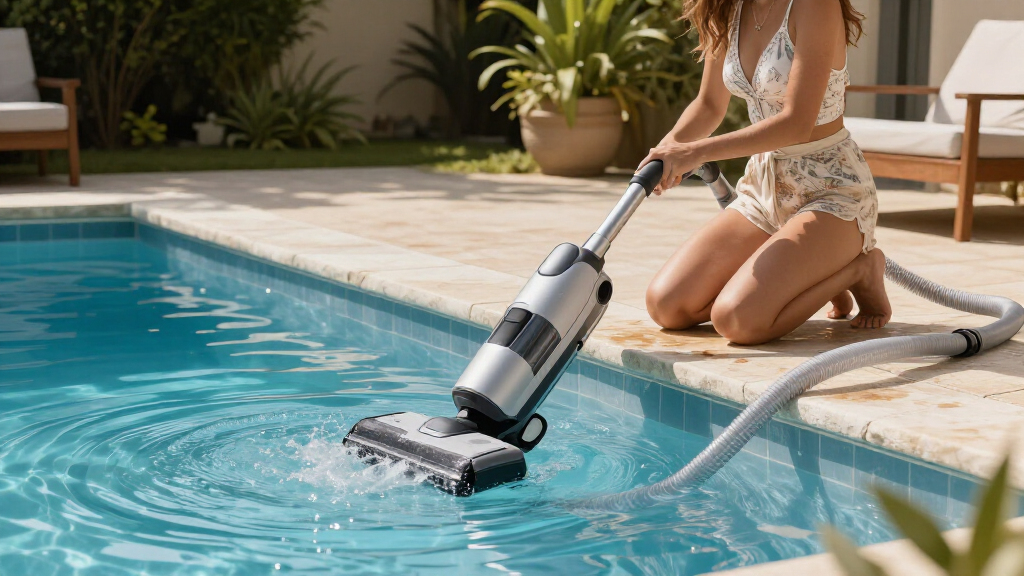
An automatic pool vacuum cleaner travels through the pool collecting debris, but the three main types draw power differently—and that changes what they ask of your pool equipment. Suction-side models connect to a skimmer or suction line and use the pool pump. Pressure-side cleaners use return-line pressure, sometimes with a booster pump. Robotic cleaners have their own motor and filter, so they work independently of the pool’s circulation system.
Picture leaves gathering after a windy afternoon. A suction cleaner sends debris through the pool’s filtration system, which means the pool filter may need more frequent cleaning and the cleaner’s performance can vary with pump flow. A pressure cleaner often catches debris in its own bag, reducing the material sent to the pool filter, but a booster pump can add installation and operating costs. A robot filters debris in its own basket and doesn’t rely on pump flow, but you’ll need to handle its filter and power supply. These tradeoffs matter most when debris is heavy, your pump is modest, or your plumbing limits the available connections.
| Type | How it works | What to check |
|---|---|---|
| Suction-side | Connects to a skimmer or suction line and uses the pool pump. | Pump flow, filter condition, and compatible fittings. |
| Pressure-side | Uses return-line pressure, sometimes from a booster pump; many models collect debris in a bag. | Whether you need a booster pump or dedicated line. |
| Robotic | Uses electricity and usually has its own motor and filter basket. | Power supply, cable or battery, storage, and filter access. |
The purchase price tells only part of the cost story. A suction cleaner may be inexpensive upfront, but it adds work to a filtration system that already needs routine care. A pressure cleaner may protect the main filter from larger debris, yet a booster pump or dedicated line can raise setup costs. A robot usually costs more initially, but its independent operation can be useful if you want to clean without running the pool pump solely for vacuuming. Actual operating costs still depend on schedules, energy rates, and equipment.
For example, if you already have a compatible suction line and a pump with adequate flow, a suction model could be a straightforward fit. If your pump flow is limited or you want a cleaner that runs separately from circulation, a robot may be more practical, despite the higher upfront price. Check the exact model’s installation requirements before buying: category labels don’t tell you whether your fittings, pump, power supply, and pool layout are compatible.
As an affiliate, we earn on qualifying purchases.
Know what a cleaner picks up—and what it leaves behind
An automatic pool vacuum cleaner can collect leaves, insects, sand, dust, and other debris when its intake and filtration are suited to the material. That match matters: an intake built to pass large leaves may not capture fine dust as effectively, while a fine filter can require more frequent rinsing if it loads up quickly. A cleaner does not sanitize pool water, balance chemicals, or guarantee that every step and corner will be spotless. It handles physical debris; your regular maintenance handles water quality and the areas it can’t reach.
Picture fine grit settling across the bottom after a dusty day. A model with suitable fine-particle filtration may collect it, but a filter that traps smaller particles can clog sooner, slowing water flow or shortening a cleaning cycle. Leaves and acorns create a different challenge: they need enough intake capacity and basket space. A small basket may fill quickly after autumn wind scatters debris across the water, turning a long unattended cycle into several short runs with filter-emptying breaks.
Wall and waterline cleaning are features, not universal promises. Some models cover only the floor; others are designed to climb walls or scrub along the waterline. That distinction affects more than convenience: a floor-only cleaner may keep settled debris under control while leaving the steps and tile band to you. If your pool has a visible waterline ring, confirm that the model is designed to scrub that area; movement up a wall does not automatically mean effective waterline cleaning.
Even a capable cleaner works best as part of a broader routine. Keep testing and balancing the water, maintaining circulation and filtration, emptying skimmer and pump baskets, and brushing surfaces the machine misses. If you spot algae, picking it up from the floor does not fix the conditions that allowed it to grow. Correcting water chemistry and circulation is important because remaining algae can spread or return even after the visible material is removed.
A cleaner removes debris, not responsibility. Keep water testing, circulation, filtration, and brushing on your regular maintenance list.
For instance, a family might run a robot after a weekend of swimming and find the floor clear by morning. That result says the robot collected debris; it does not confirm that the sanitizer level is right or that the steps and waterline are clean. Separating those jobs helps avoid using a clean-looking pool as a substitute for testing.
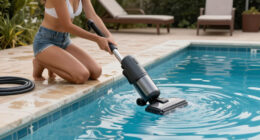
robotic pool cleaner with wall climbing
As an affiliate, we earn on qualifying purchases.
As an affiliate, we earn on qualifying purchases.
Match the cleaner to your pool before you compare features
The best pool cleaner is the one that matches your surface, shape, debris, size, equipment, and upkeep preferences. A long list of app controls cannot compensate for a hose that doesn’t reach the far wall or a cleaner that struggles with your pool’s steps. Each mismatch creates a practical cost: missed areas mean more brushing, undersized filtration means more interruptions, and incompatible equipment can mean extra plumbing or installation. Start with how your pool is built and what actually lands in it.
Use this short buying check before you compare models:
- Identify the surface. Confirm compatibility with vinyl, fiberglass, plaster, tile, or your specific finish. A cleaner’s brushes, tracks, and movement should suit the surface; compatibility can affect both cleaning and the risk of wear.
- Map the hard spots. Note steps, benches, slopes, drains, tight corners, and the deepest section. These features can interrupt a cleaner’s route or prevent it from reaching an area, so they help set realistic expectations about what you may still need to brush manually.
- Describe your debris. Fine sand, insects, big leaves, and acorns demand different intake and filtration capabilities. Matching the filter and basket to the debris helps avoid a cleaner that misses fine material or stops frequently when its basket fills.
- Check coverage and reach. Compare the recommended pool dimensions with hose length or cable reach, and verify floor, wall, and waterline cleaning separately. A model may fit the pool’s length on paper but still miss steps or corners because of its route and turning radius.
- Inspect your existing setup. Suction and pressure cleaners need compatible plumbing and adequate flow; robots need an appropriate electrical supply. The equipment you already own can make one type simpler and less expensive to install than another.
- Price the upkeep. Include electricity, pump or booster-pump use, replacement parts, and filter or bag cleaning. A low purchase price can be offset by frequent maintenance or additional equipment, while a higher-priced model may save time without necessarily lowering your energy bill.
Say your rectangular pool measures 35 feet long, has vinyl walls, and sits under a tree that drops small leaves. You’d want to confirm the model’s reach and vinyl compatibility, then check the basket capacity and how the unit handles steps and corners. A cleaner that misses the far end or clogs quickly may create more chores than it removes, even if its advertised pool size seems adequate.
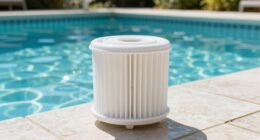
Think about the person who’ll handle maintenance, too. A large filter basket can mean fewer emptying stops, but a heavy canister may be awkward to lift over a wet deck. A smaller, easy-to-rinse filter might be more convenient if debris is light and you don’t mind checking it often. If simple care is your priority, look for a filter or bag that comes out easily and rinses clean without a long teardown.
suction-side pool cleaner for large debris
As an affiliate, we earn on qualifying purchases.
As an affiliate, we earn on qualifying purchases.
Read claims about energy savings and smart features carefully
App control, schedules, cordless designs, and sensor-guided navigation can make a cleaner easier to use, but a feature label does not prove that a machine cleans better. Recent product trends include cordless robotic models, programmable schedules, and systems designed to improve coverage. Each feature solves a different inconvenience: schedules reduce manual starting, cordless designs avoid a cable across the deck, and navigation systems aim to guide coverage. You still need to check whether those benefits address a problem you actually have.
For example, a cordless robot can spare you the sight of a cable snaking across the deck, but its cleaning time depends on battery capacity, pool conditions, and the selected cycle. If the battery runs out before the pool is covered, convenience may come at the cost of an extra cycle or manual cleanup. An app may let you start or schedule a cycle; check whether those controls work locally or need an internet connection. Convenient control is useful, but it is not the same thing as better debris pickup or reliable coverage around steps.
Energy savings also depend on your particular setup. A robotic cleaner may use less energy than running a pool pump solely for cleaning, but your total savings change with pump schedules, the robot’s power use, and local electricity rates. If the pump already runs for filtration, the comparison is different than if you would otherwise extend pump time just to vacuum. A pressure-side cleaner that requires a booster pump adds another piece of equipment to the equation.
Compare the full operating picture instead of accepting a broad promise of lower bills. For instance, if your existing pump already runs for filtration, a suction cleaner’s added impact may differ from a household that would otherwise run the pump longer just to vacuum. Consider how often you’ll clean, how long each cycle runs, and which equipment operates during it. Those details help you compare likely costs without assuming one cleaner type is always cheaper.
Product releases and specifications change quickly, so confirm current availability, warranty terms, installation details, and independent reviews before naming or buying a particular model. Treat phrases like “smart navigation” as a prompt to ask what the cleaner covers, how it responds to steps, and whether its coverage is consistent—not as proof of performance.
pressure-side pool cleaner with booster pump
As an affiliate, we earn on qualifying purchases.
As an affiliate, we earn on qualifying purchases.
Keep your automatic pool vacuum cleaner working smoothly
Routine care helps your automatic pool vacuum cleaner keep collecting debris instead of pushing it around or stopping mid-cycle. After each run, check the filter basket or debris bag, clear tangled leaves or hair, and inspect the hose or cable for twists. A full or blocked filter can reduce the flow a suction cleaner relies on or restrict a robot’s own filtration; a tangled hose or cable can limit where the unit travels. A basket packed with wet leaves can choke a cleaner much like a full vacuum bag at home.
Suppose your robot used to leave a clean stripe across the floor but now stalls near the drain. Look for a clogged filter, tangled material, a blocked intake, or a cable twist before assuming the motor has failed. If a suction cleaner moves sluggishly, check the pump flow and the pool filter; that type relies on the pool’s circulation equipment. These checks help distinguish a simple maintenance issue from a problem that needs service.
- Empty and rinse the filter or bag as the manual directs.
- Clear blockages from the intake, tracks, wheels, hose, or cable.
- Check coverage after a cycle, especially around steps, corners, and benches.
- Store it properly and follow the manufacturer’s guidance on leaving it in the water between cycles.
- Inspect wear parts and replace them according to the model’s instructions.
Run frequency depends on your pool and its debris load. A pool beneath a shedding tree may need more frequent cycles than one in a sheltered yard. Begin by checking the floor after each run; if leaves still carpet the deep end by the next afternoon, adjust your routine or revisit whether the cleaner’s capacity fits your yard. More frequent operation can address a steady debris load, but if the basket fills or the same areas are missed, changing the schedule alone may not solve the underlying fit problem.
Follow the manufacturer’s directions on whether people can swim while the cleaner runs. Electrical precautions, cables, hoses, and moving parts vary by model, so don’t treat one product’s instructions as universal. If children are in or near the water, keep a responsible adult actively supervising them; a cleaner is never a substitute for close supervision or drowning-prevention measures.
Avoid the pool-cleaner assumptions that lead to disappointing buys
Many disappointing purchases start with one assumption: that every cleaner reaches every surface, handles every kind of debris, and works equally well in every pool. It doesn’t. Pool shape, finish, plumbing, steps, and the debris you actually see all affect how well a specific model performs. When one of those factors is overlooked, the result may be extra brushing, frequent filter cleaning, or installation work that wasn’t included in the original price.
Take a homeowner who buys a floor-only model expecting it to scrub a tile waterline. The machine may do exactly what its design promises while leaving the visible ring untouched. That creates a gap between “the pool is being cleaned” and the particular job the owner wanted done. Before you buy, look for clear wording about floor, wall, and waterline coverage rather than relying on a broad claim that the device cleans the whole pool.
“It will take care of algae” is another risky assumption. A cleaner may collect some material, but algae problems usually call for correcting water chemistry and circulation too. Otherwise, visible debris can be removed while the conditions that support growth remain. Likewise, a cleaner that misses spots may need a filter rinse or a closer look at an obstacle, but the pool’s shape and the model’s navigation can also be factors; repeatedly restarting the machine won’t fix an area it cannot reach.
Compatibility deserves the same care. Saltwater pools, above-ground pools, delicate finishes, drains, and unusual fittings are not covered by a single universal rule. Confirm the exact model’s instructions and pool compatibility rather than inferring that it will work because a similar cleaner works in a neighbor’s pool. An incompatibility can affect cleaning performance, installation, or the surface, so checking the manufacturer’s guidance is more useful than relying on the general category.
Even the claim that a robotic cleaner always lowers energy costs depends on your pump schedule and local rates. It may use less energy than running a pump solely for cleaning, but that isn’t a guaranteed result for every household. Compare likely use, equipment, and ongoing costs for your own pool before you decide. The right choice balances what you pay upfront with the time, maintenance, and equipment your particular setup requires.
Frequently Asked Questions
What’s the difference between robotic, suction-side, and pressure-side pool cleaners?
Suction-side cleaners use the pool pump and connect to a skimmer or suction line. Pressure-side cleaners use return-line pressure and may need a booster pump, while robotic cleaners use electricity and usually have their own motor and filter. Compare the exact installation requirements with your existing equipment.
Will an automatic pool cleaner scrub the walls and waterline?
Only if the particular model is designed for that coverage. Some cleaners work on the floor alone; others climb walls or scrub the waterline. Check the model’s specifications for each area rather than assuming “automatic” means full-pool coverage.
Can a pool cleaner pick up fine sand, algae, or large leaves?
Debris pickup depends on the model’s intake and filter. Fine sand calls for suitable fine-particle filtration, while large leaves need enough intake and basket capacity. A cleaner may collect some algae, but algae problems usually require attention to water chemistry and circulation.
Can I run a pool cleaner while people are swimming?
Follow the specific cleaner’s manual; electrical and entanglement precautions differ by model. If children are in or near the pool, keep a responsible adult actively supervising them, and never rely on a cleaner as a drowning-prevention measure.
How often should I clean the filter or debris bag?
Check it after each cycle, especially after a windy day or when leaves and insects are plentiful. Empty and rinse it as the manufacturer directs; a clogged filter or full bag can reduce performance or stop a cleaner from moving properly.
Can I leave an automatic pool cleaner in the water between cycles?
That depends on the model. Follow its storage instructions, because prolonged exposure may shorten the life of some components. For a robotic model, check how the manufacturer recommends handling the unit, cable, and power supply after a cleaning cycle.
Conclusion
Choose an automatic cleaner by starting with your pool, not the product’s flashiest feature. Match its coverage, filtration, reach, and installation needs to your surface, shape, debris, and existing equipment; then keep up the water care the machine cannot do.
The right cleaner should make the floor feel less gritty and your routine feel lighter—not leave you guessing what it missed. Let the machine collect the leaves; keep your eyes on the water.
Halloween Picks
halloween
As an affiliate, we earn on qualifying purchases.